



The Museum of Anatolian Civilizations, which houses unique artifacts from Anatolian lands dating back to the Paleolithic Age, is located in two remarkable historic buildings: Mahmutpaşa Bedesteni and Kurşunlu Han, both architectural works from the Ottoman period. Restored and renewed in 2014, the museum offers visitors an immersive historical experience through virtual tours, reconstructions, and replicas, allowing a vivid journey into humanity’s deep past.
The story of Ankara’s first museum begins in 1921. With Mustafa Kemal Atatürk’s vision of establishing a central Hittite Museum, artifacts from Hittite civilization were gathered from across the country. Galip Bey, the Director of Culture at the time, initiated the museum movement by converting Akkale Tower in Ankara Castle, the Temple of Augustus, and the Roman Baths into exhibition spaces.
As Akkale proved too small for the expanding collection, restoration began on the long-neglected Mahmutpaşa Bedesteni and Kurşunlu Han near Ankara Castle. The restoration process, which started in 1938, was completed in 1968. Even before full completion, the central hall of the restored bedesten opened to visitors in 1943.
Awarded “European Museum of the Year” in 1997 and recognized as one of the world’s distinguished museums for its unique collections, the Museum of Anatolian Civilizations presents its artifacts in chronological order. The upper hall features sections dedicated to the Paleolithic Age, Chalcolithic Age, Early Bronze Age, Assyrian Trade Colonies Period, Old Hittite and Hittite Empire periods, Phrygian Kingdom, Late Hittite Kingdom, and Urartian Kingdom. The lower hall includes exhibits titled “Ankara Through the Ages” and “Classical Periods.”
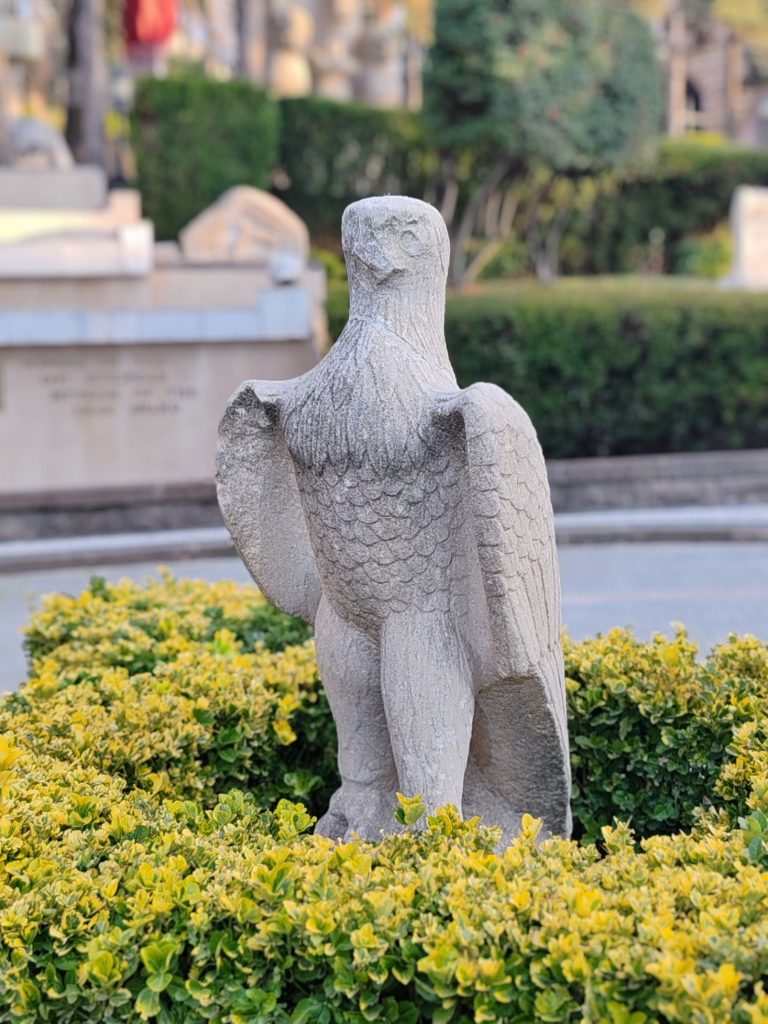
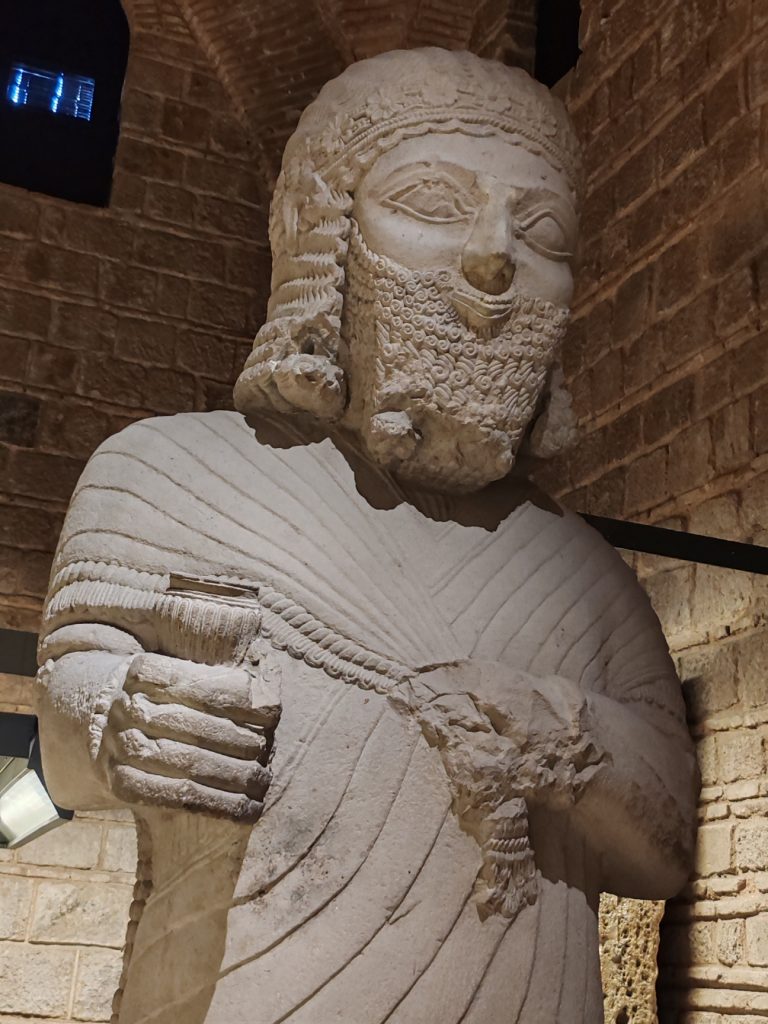
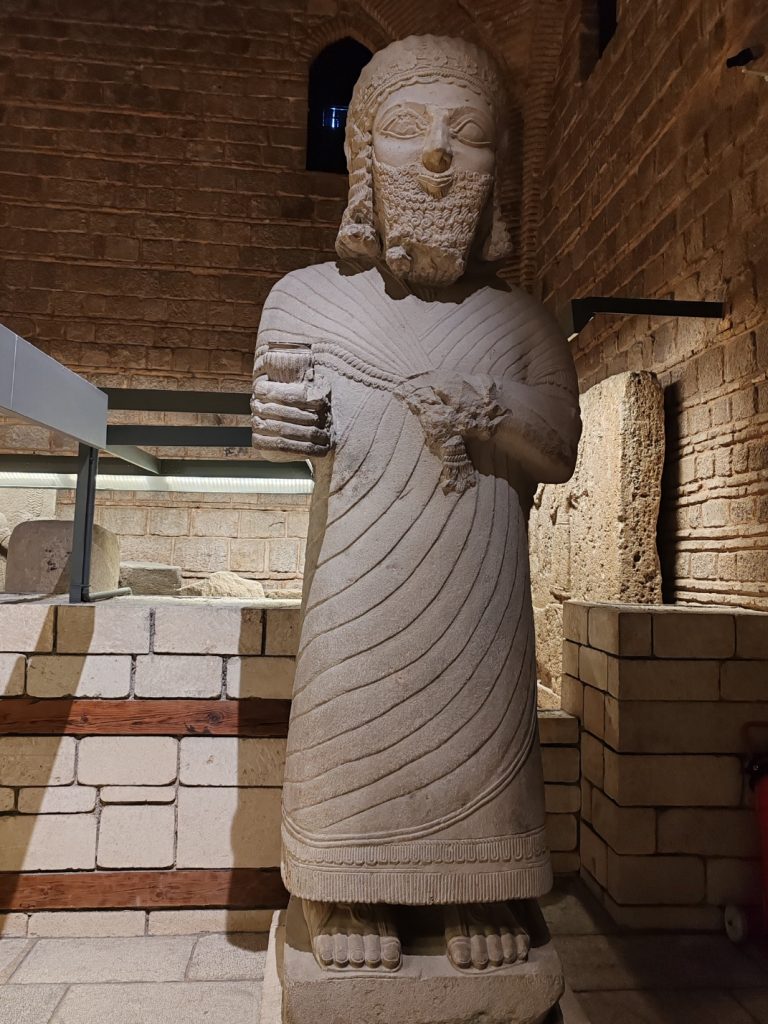
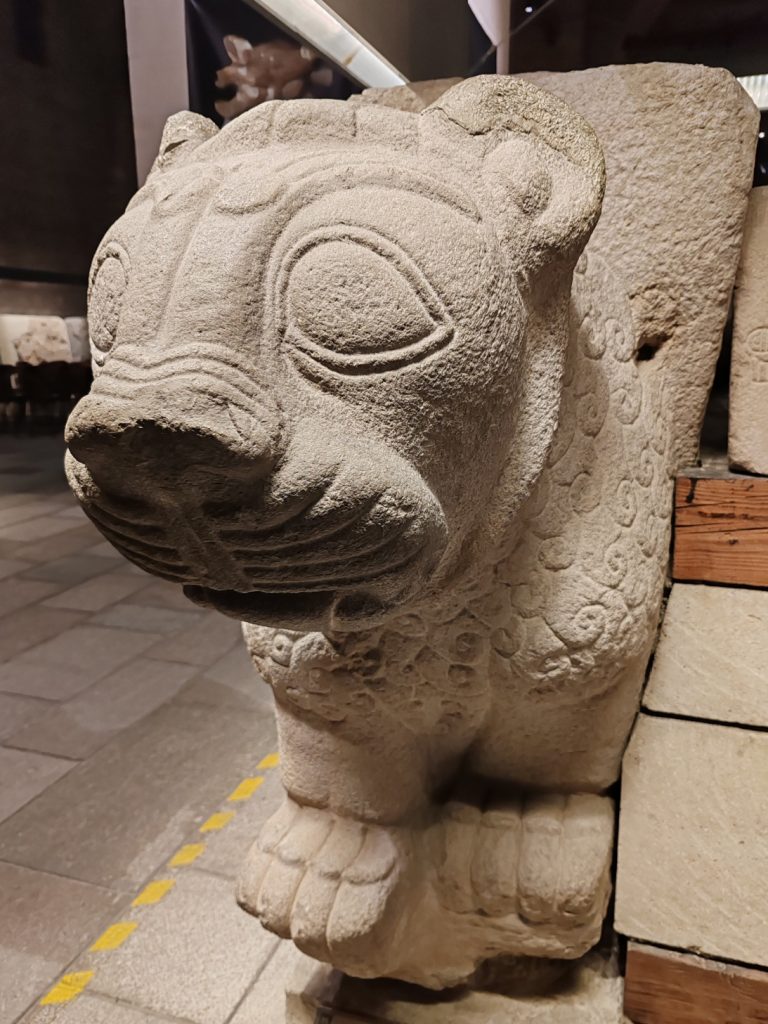
Some artifacts from the Museum of Anatolian Civilizations in Ankara through my lens.
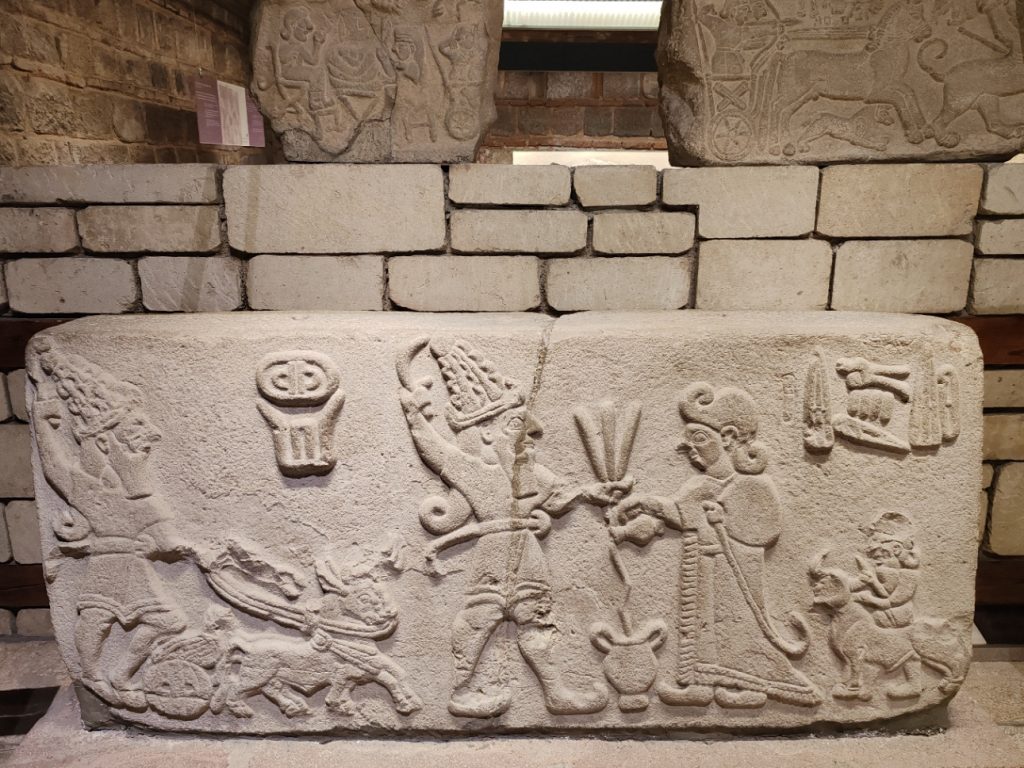
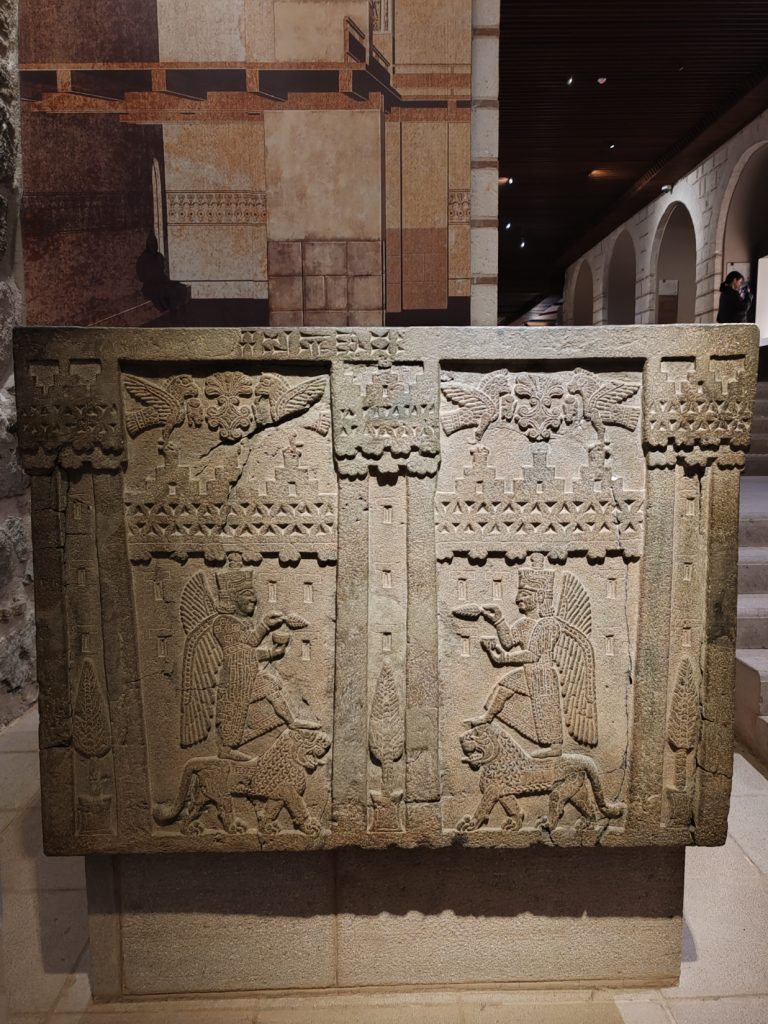
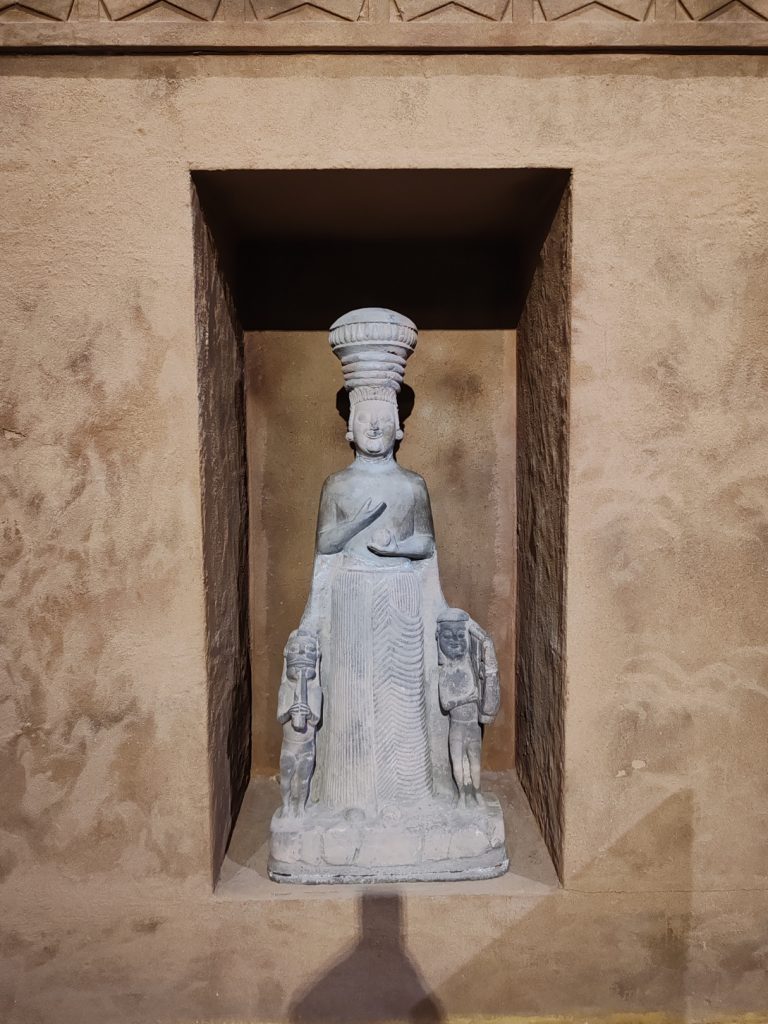
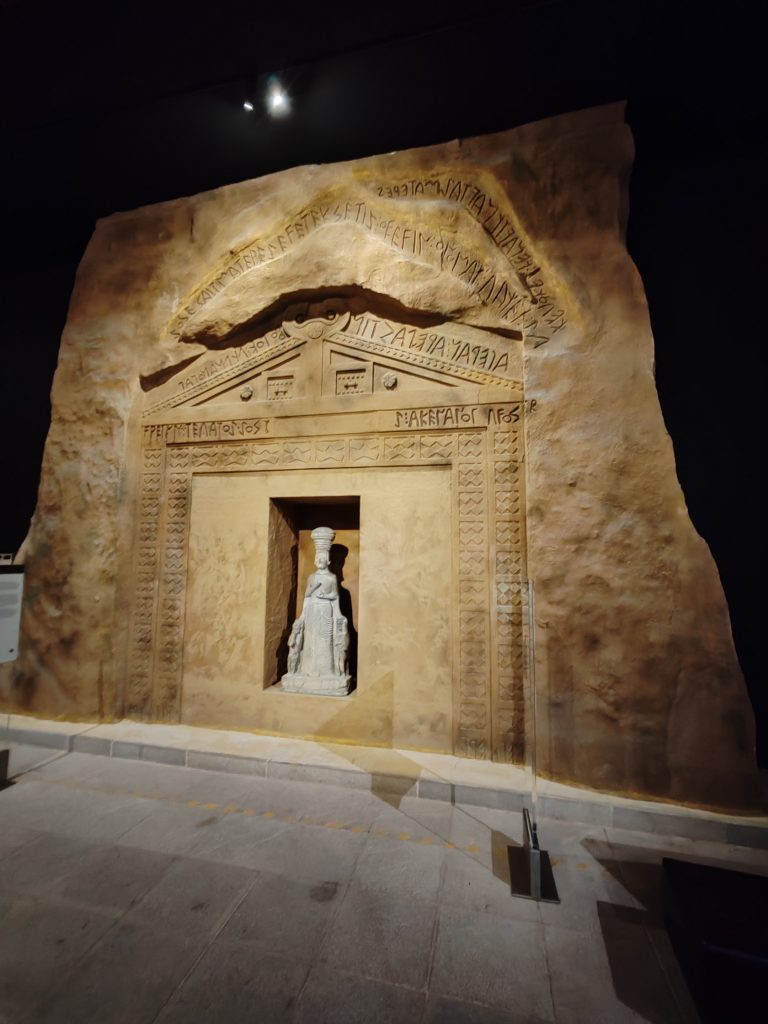
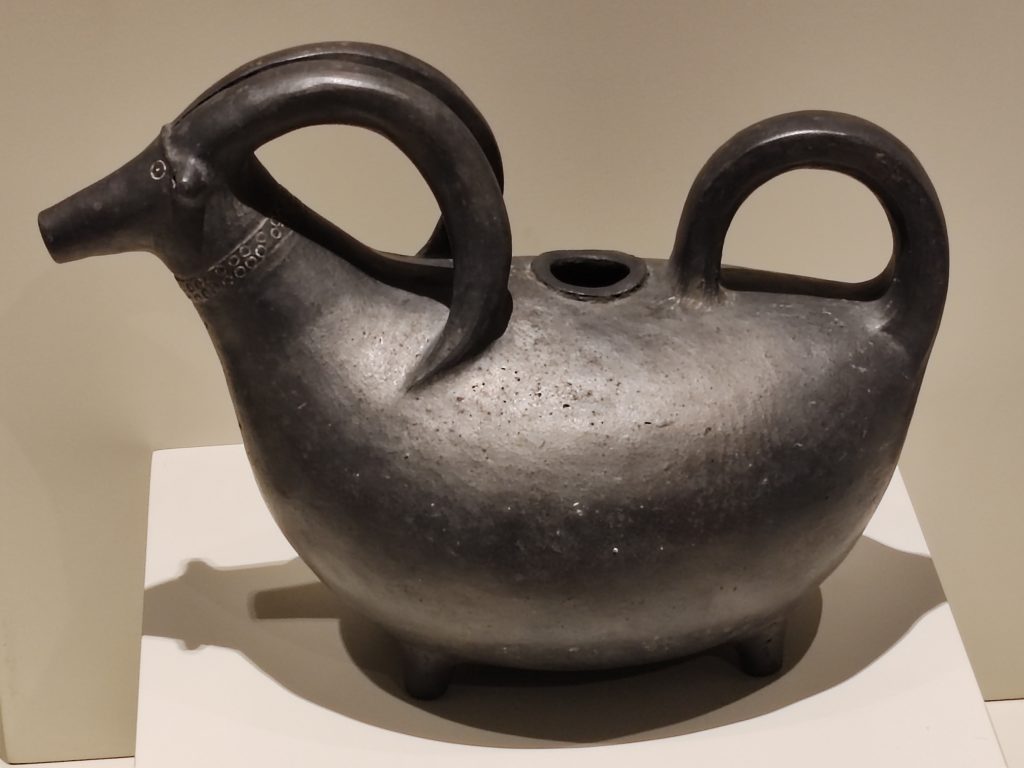
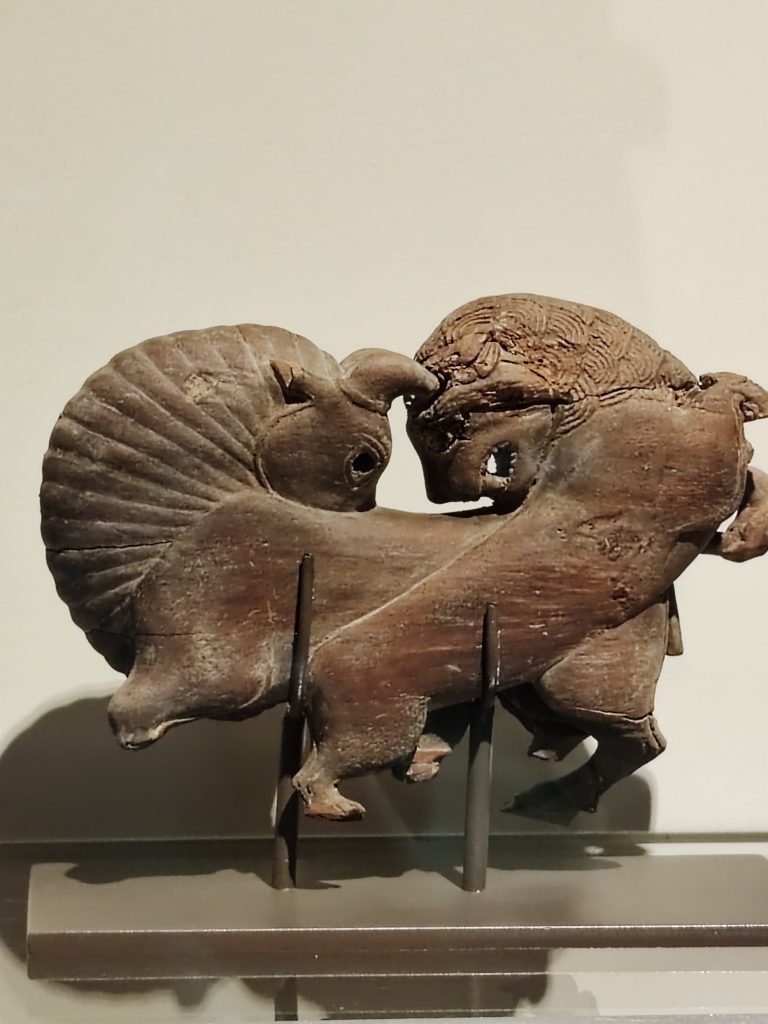
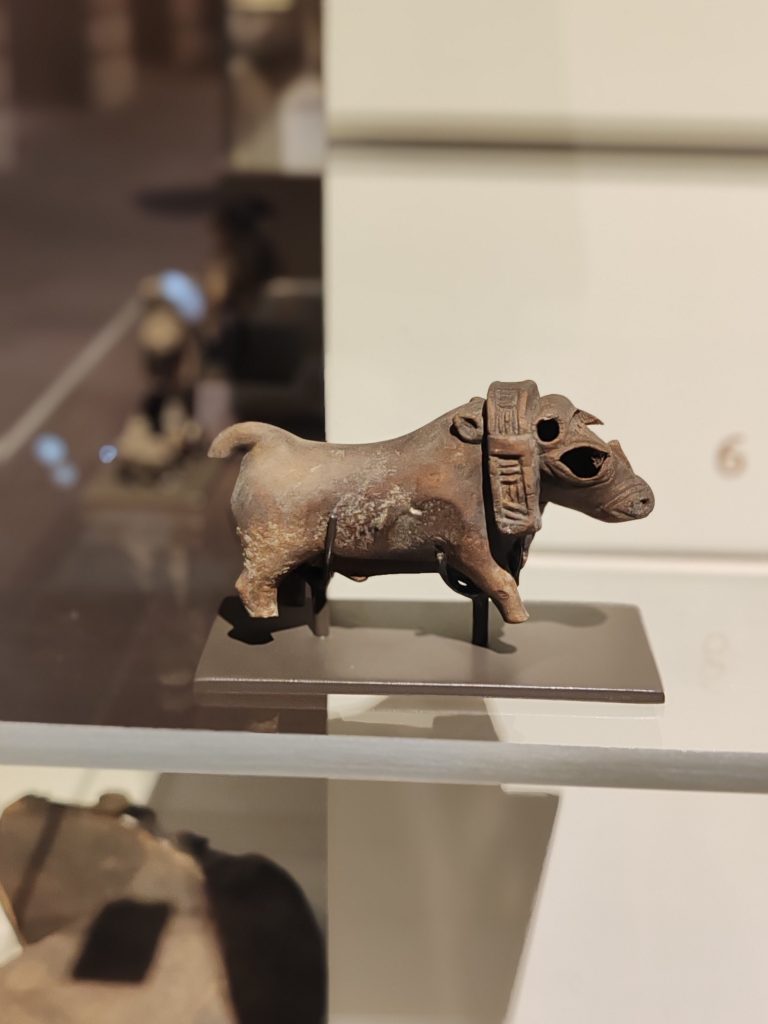
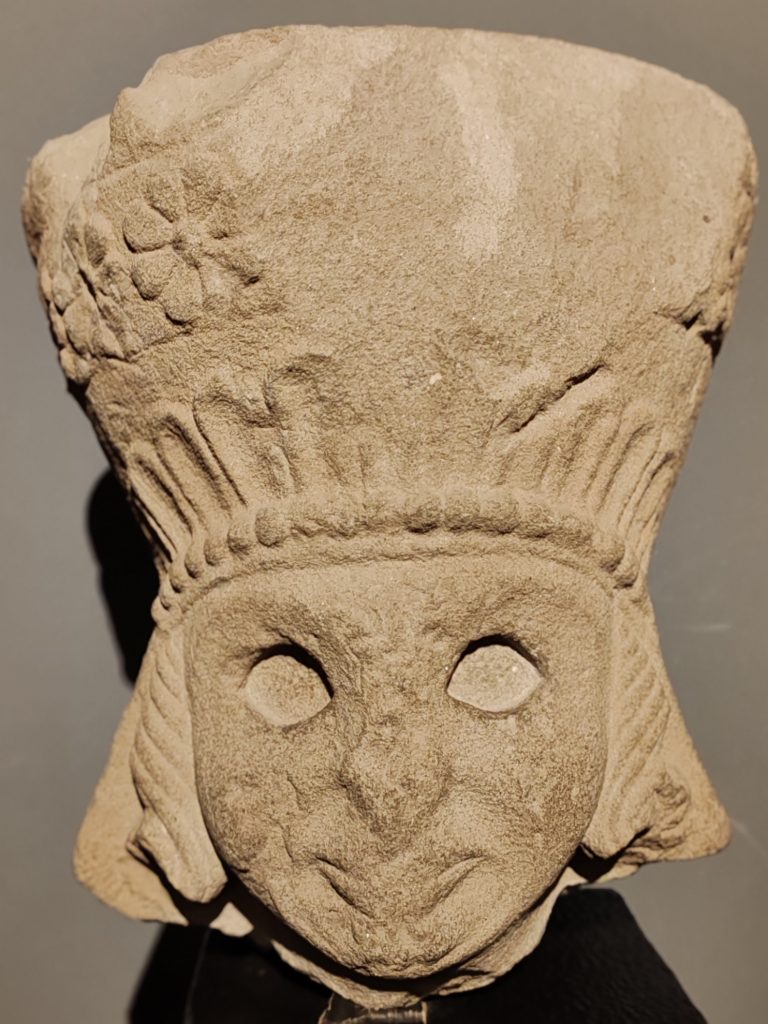
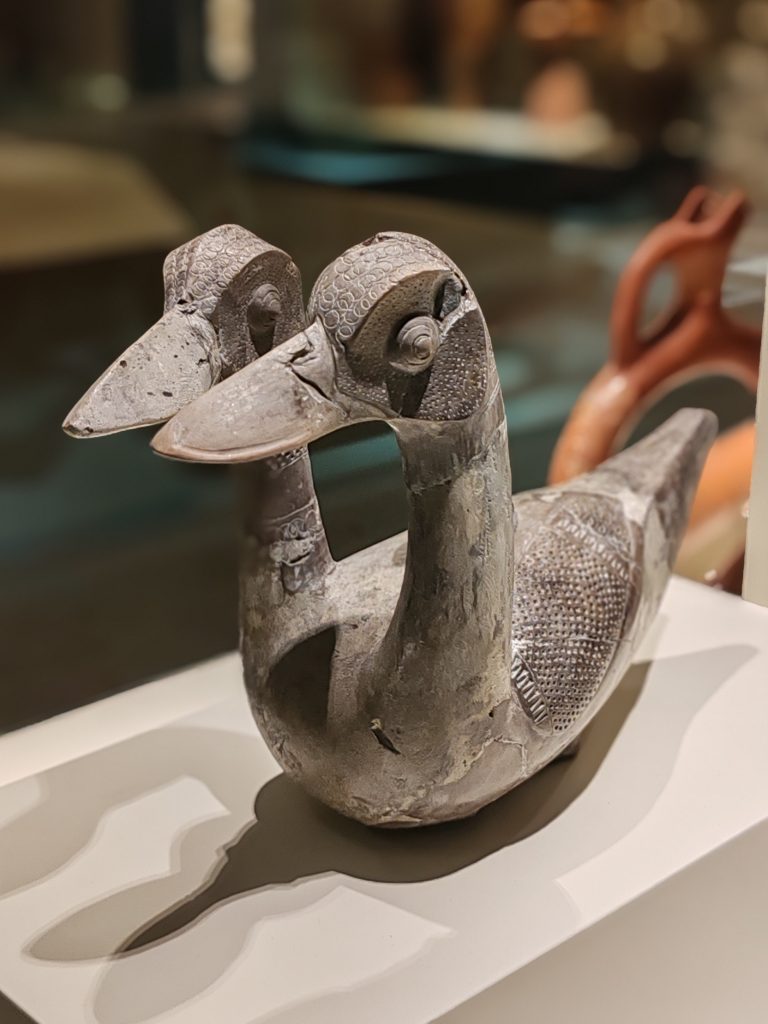
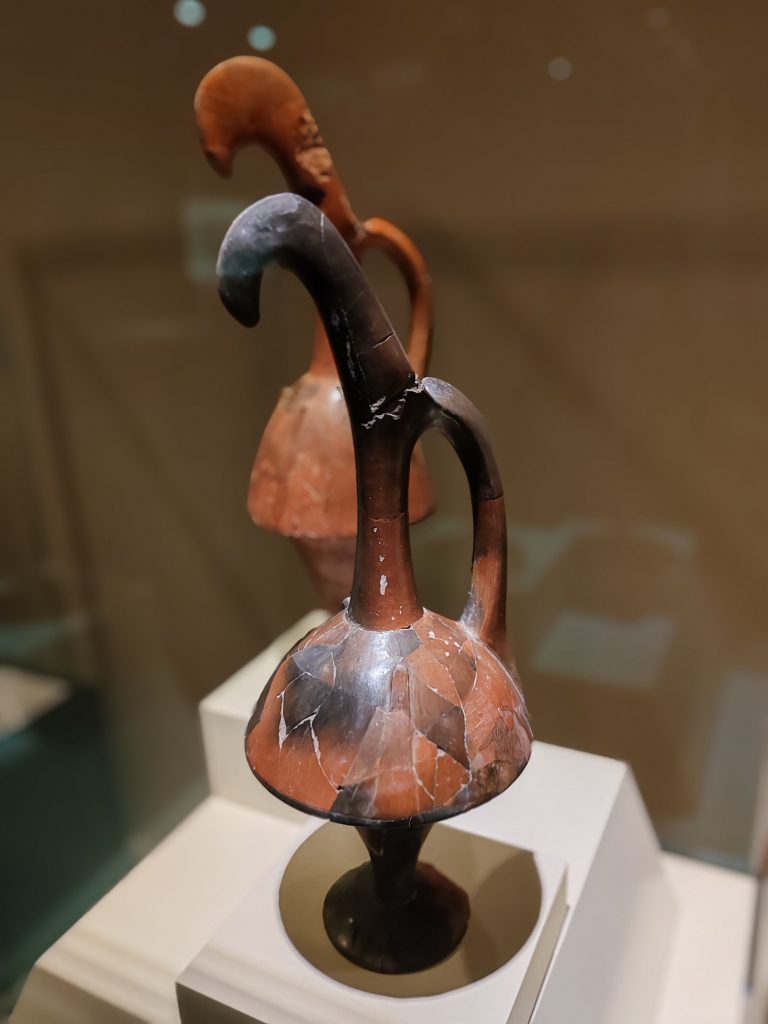
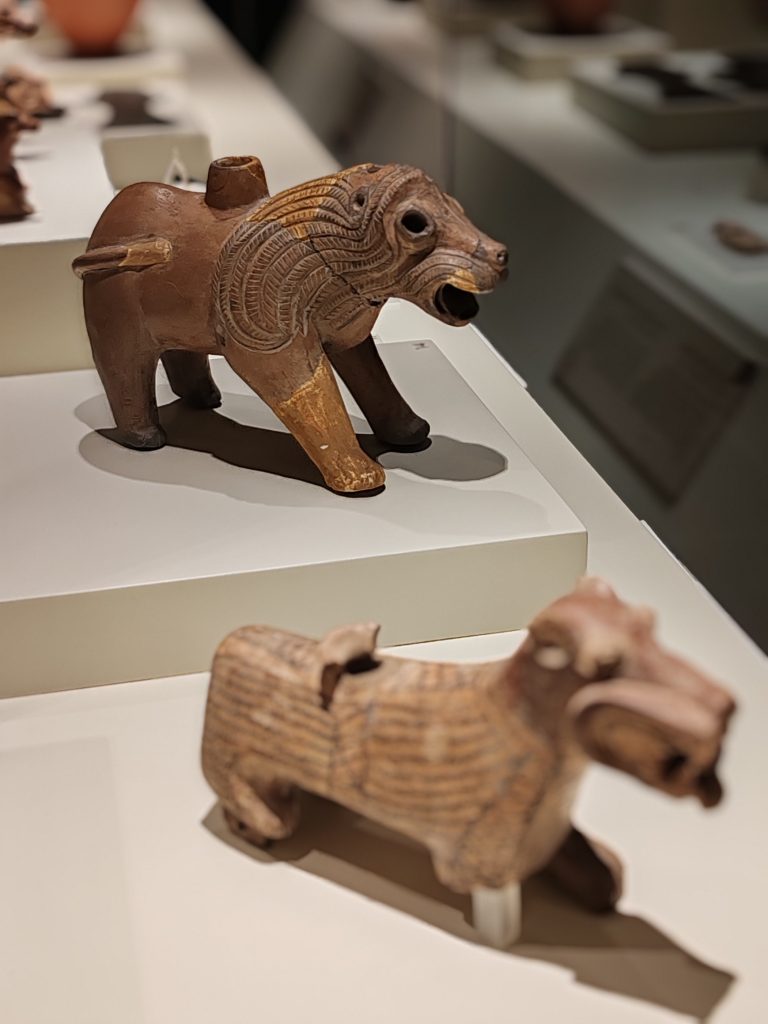
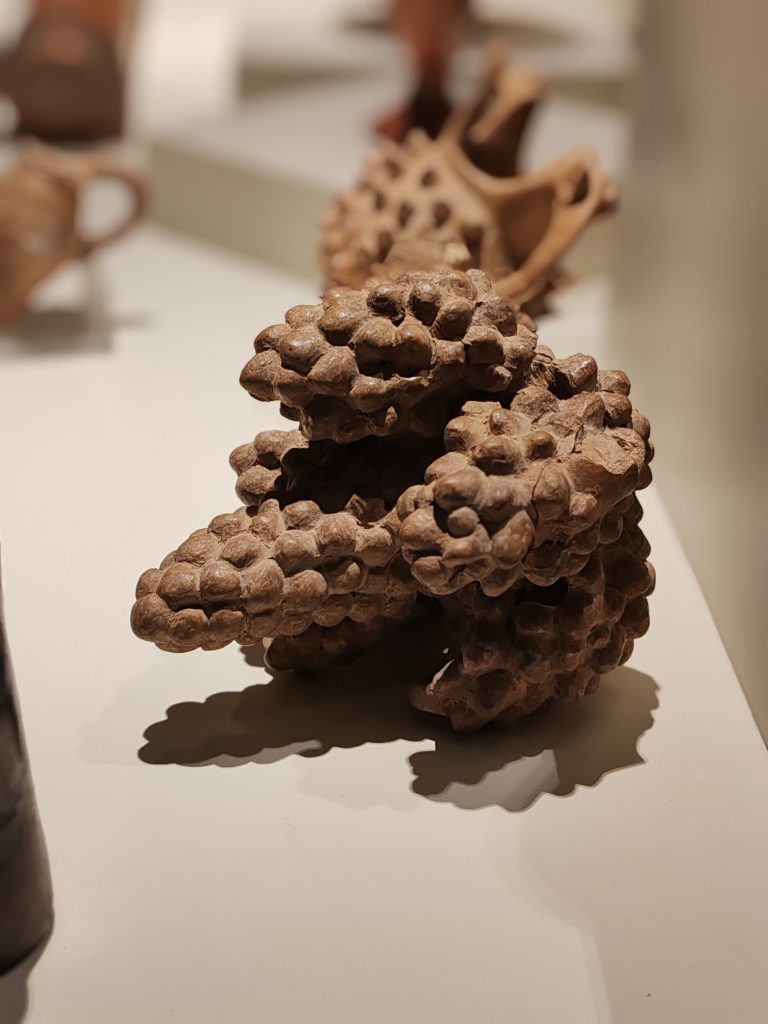
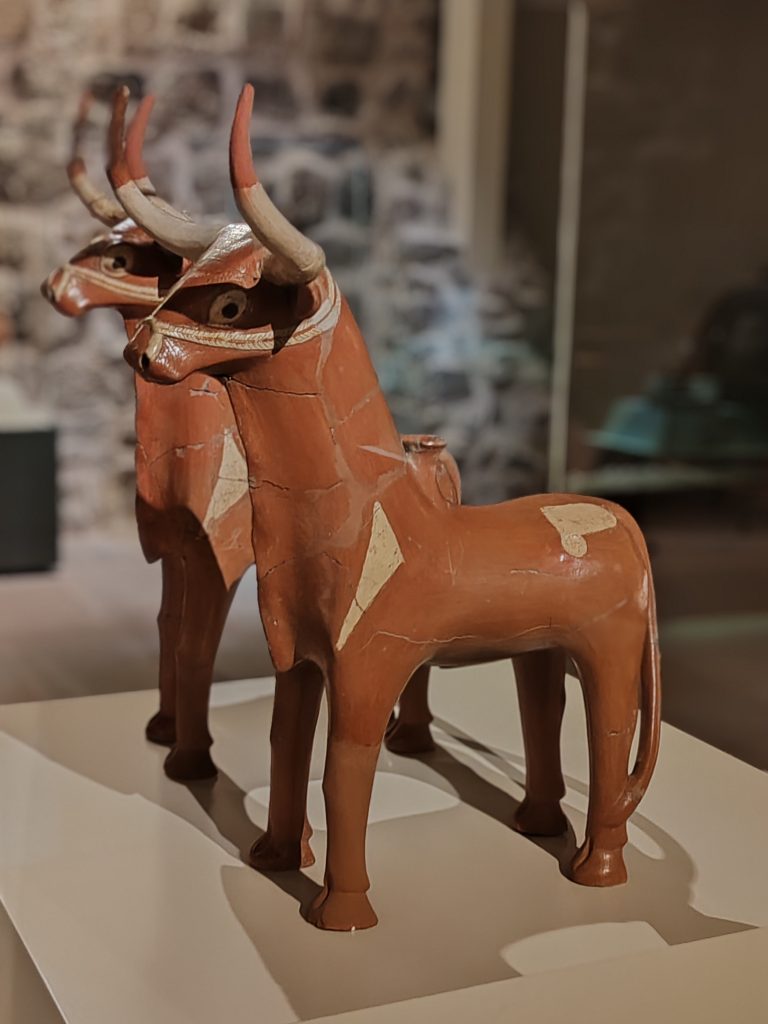
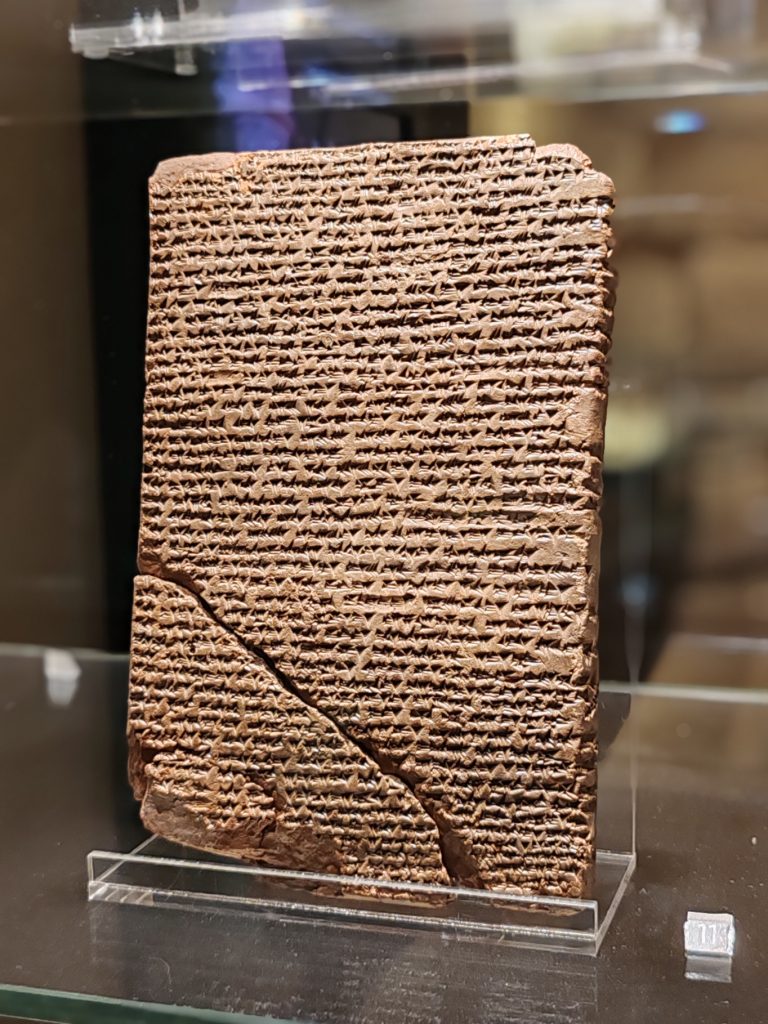
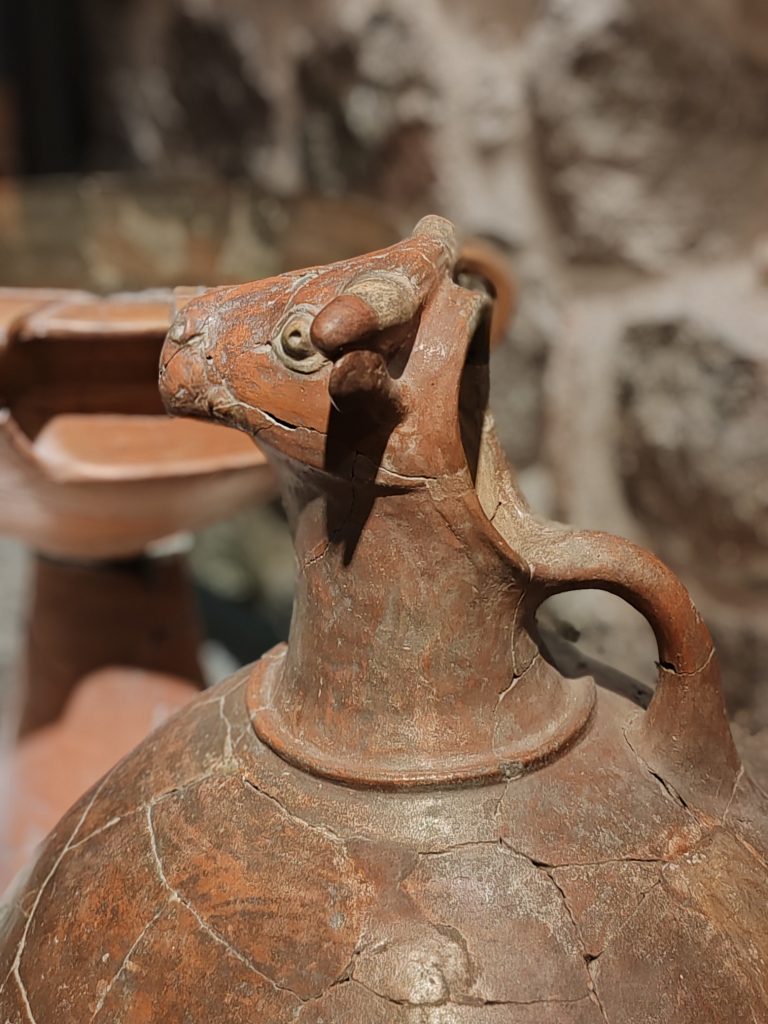
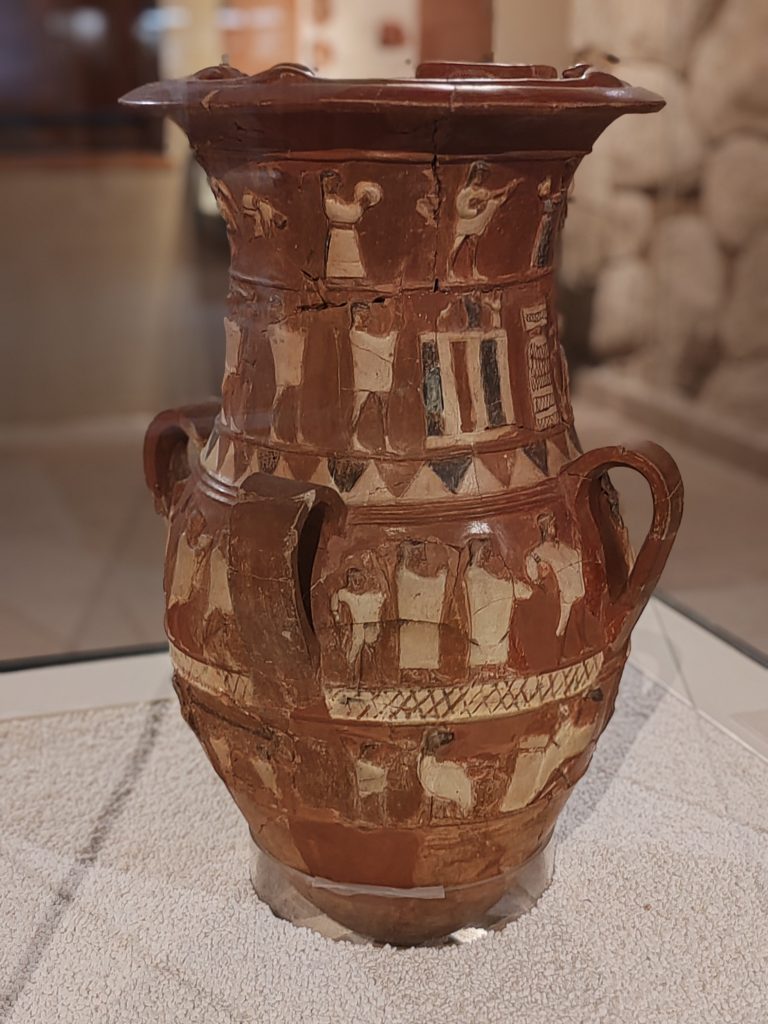
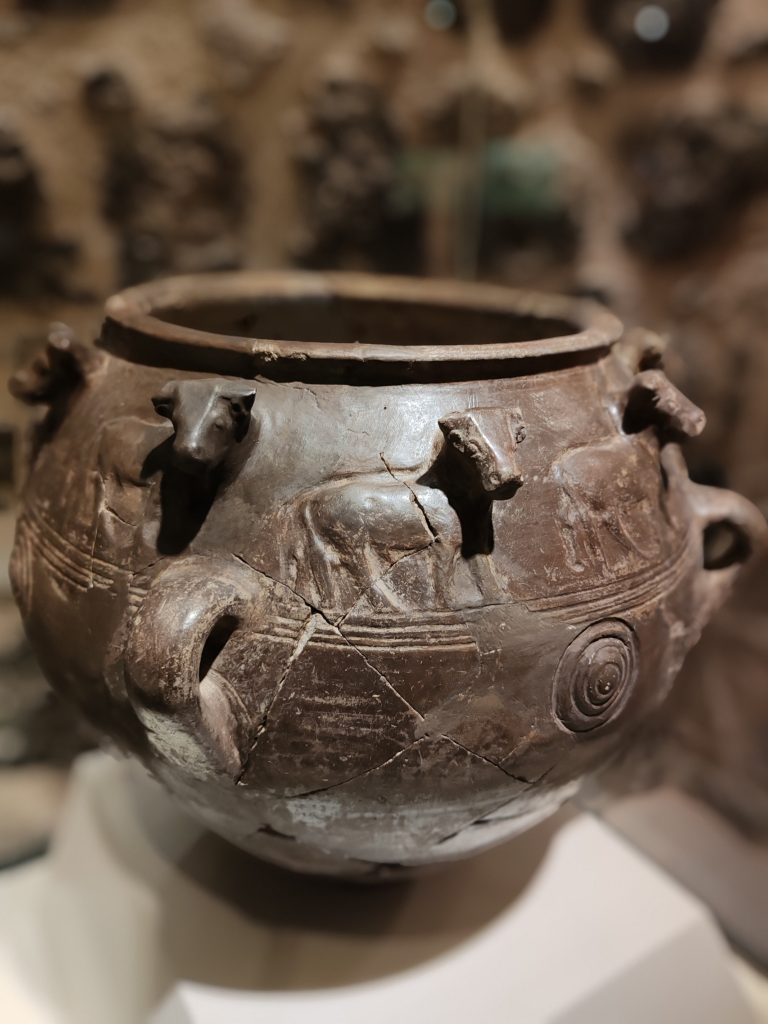
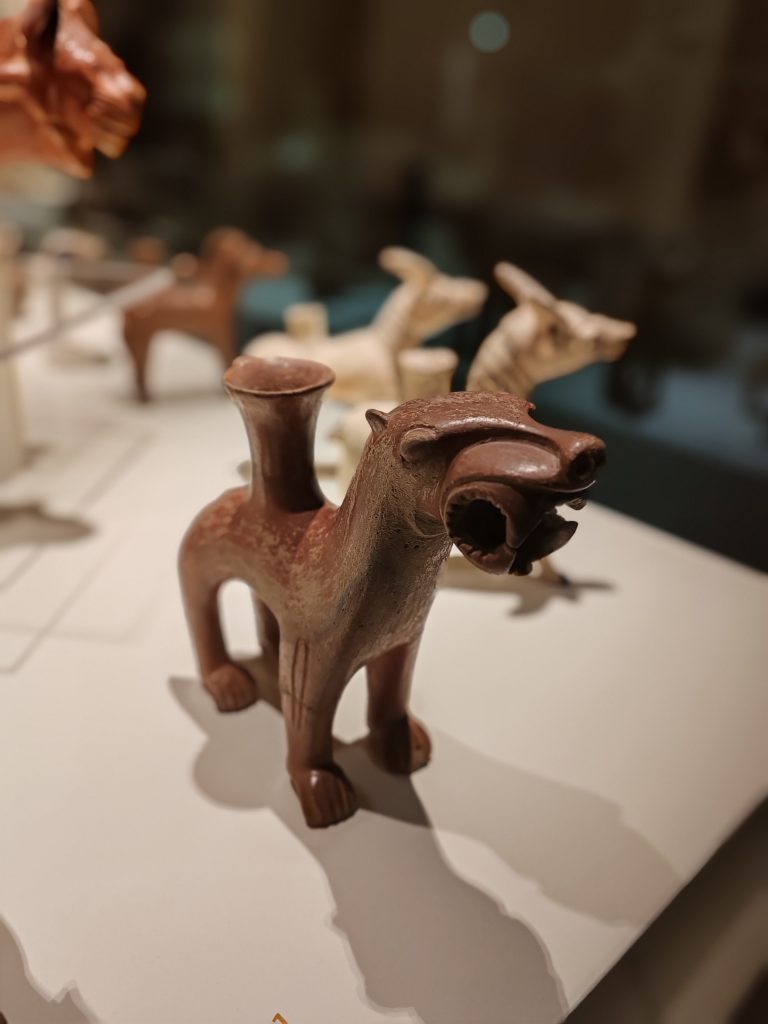
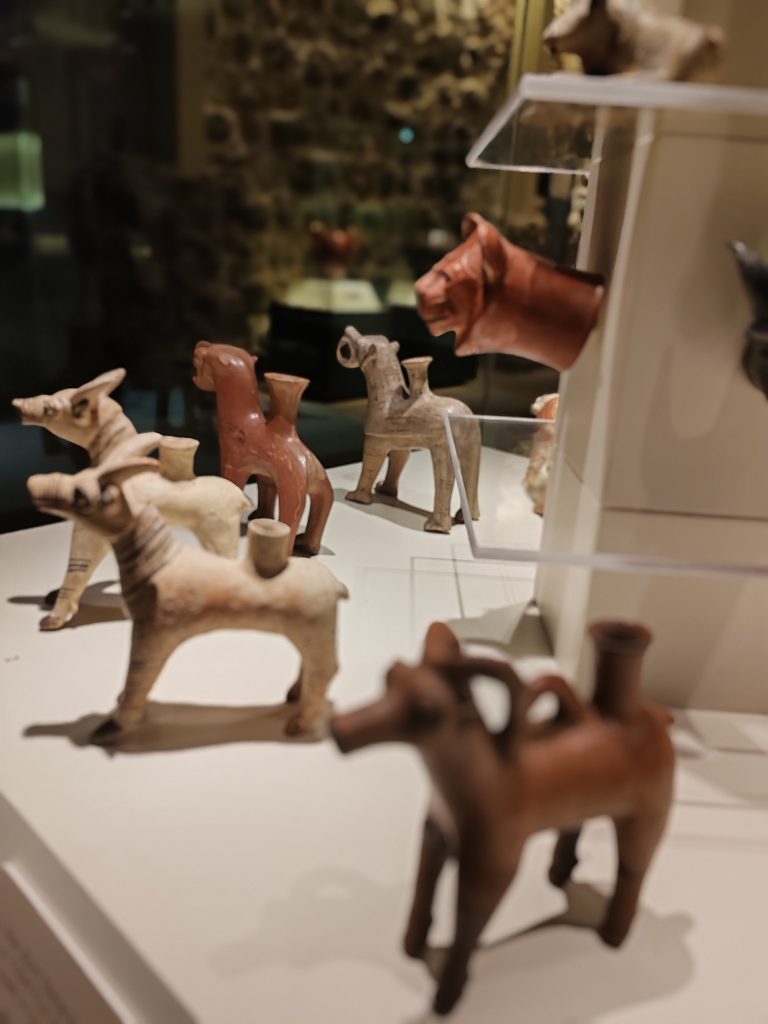
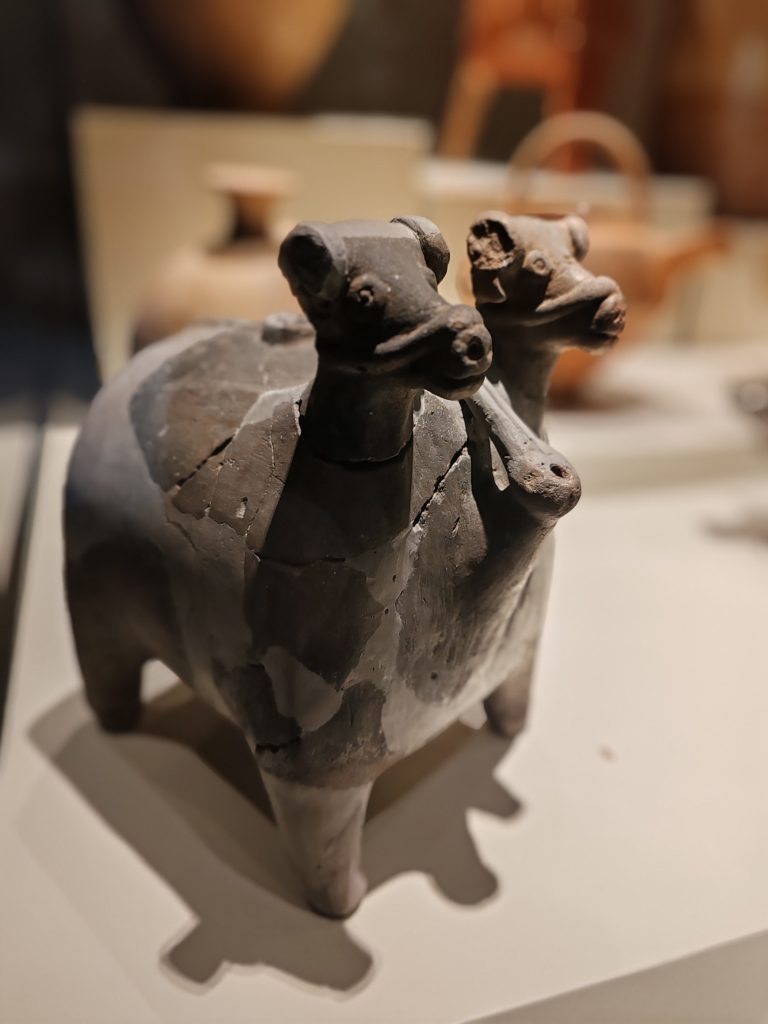
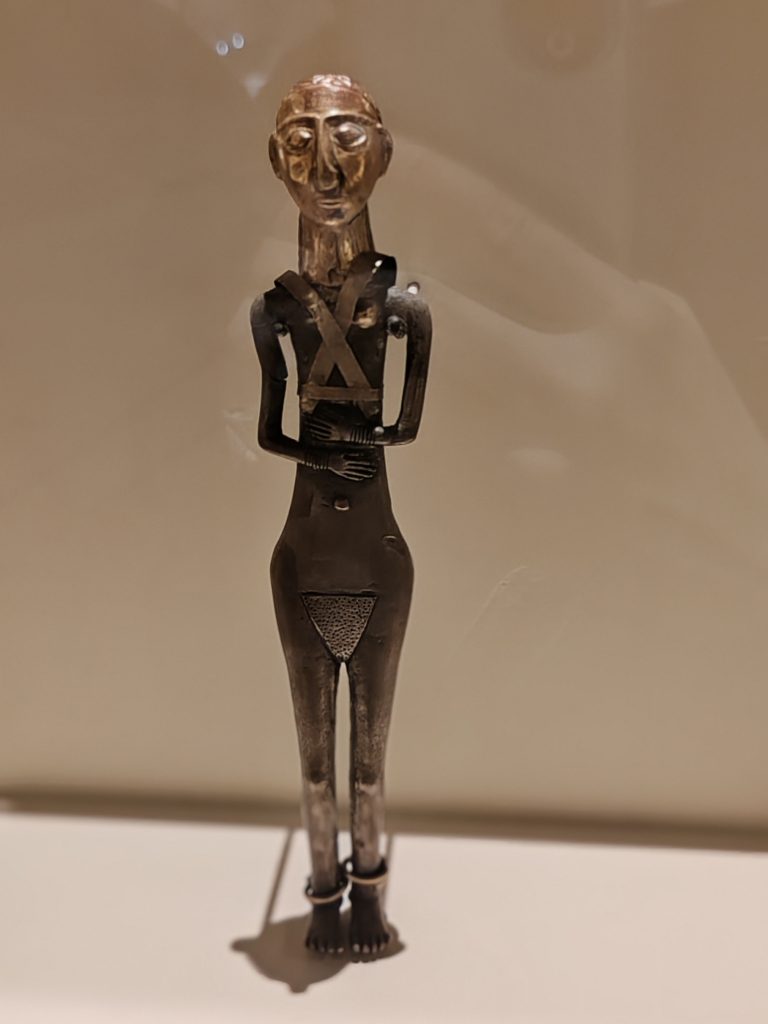
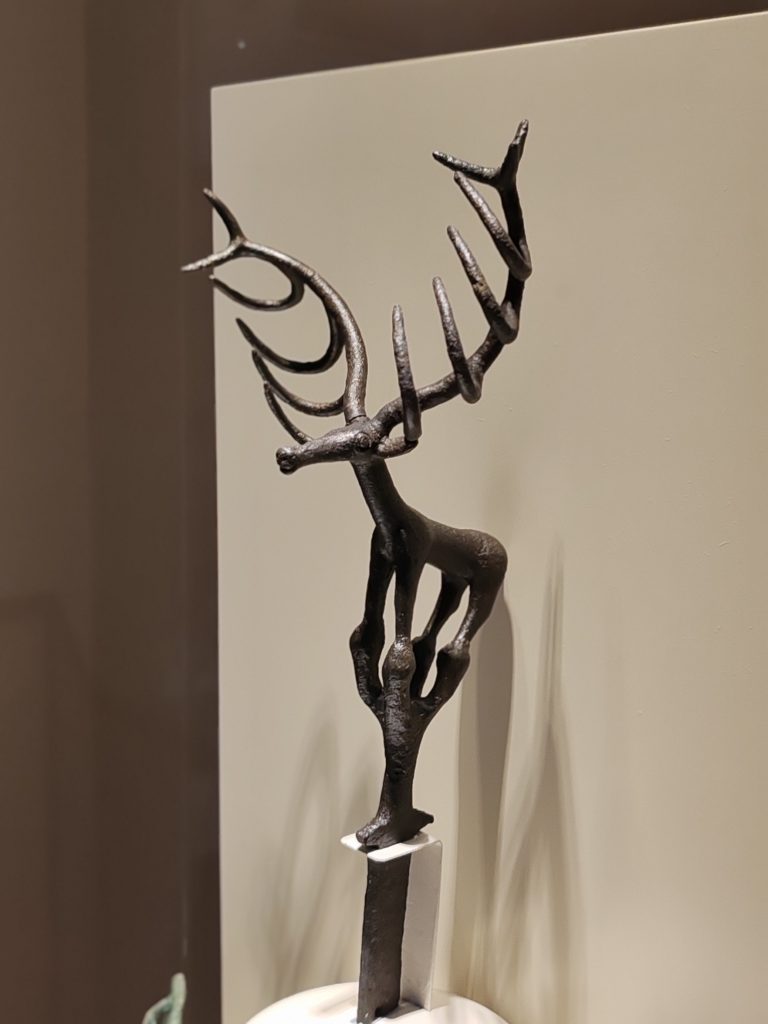
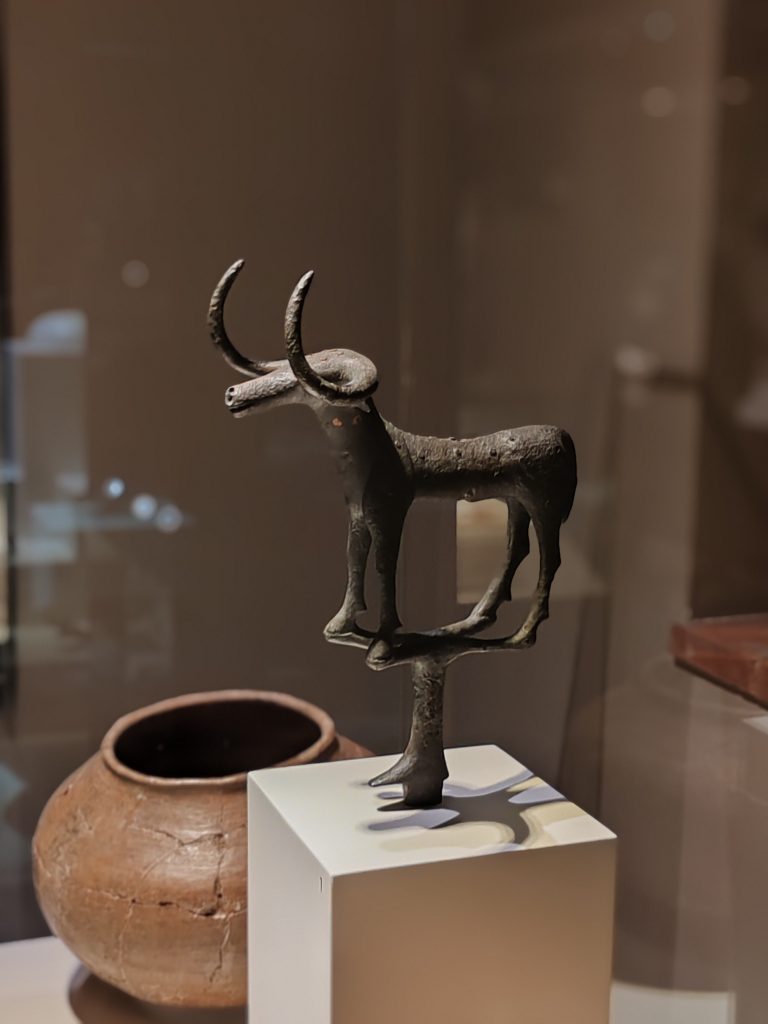
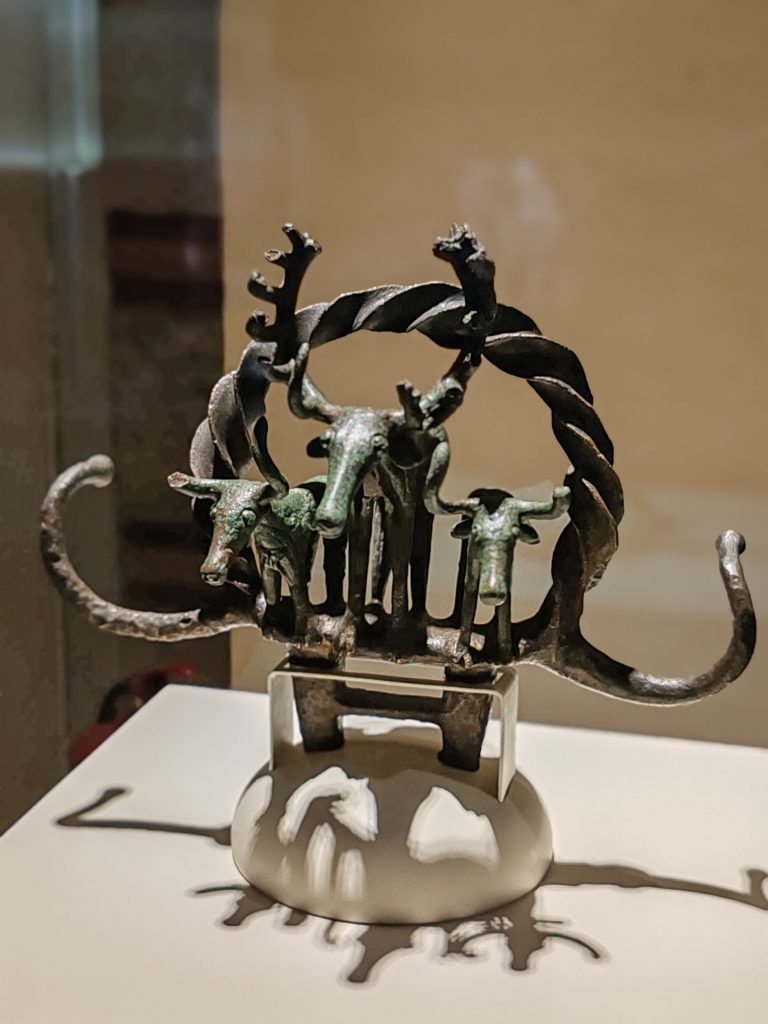
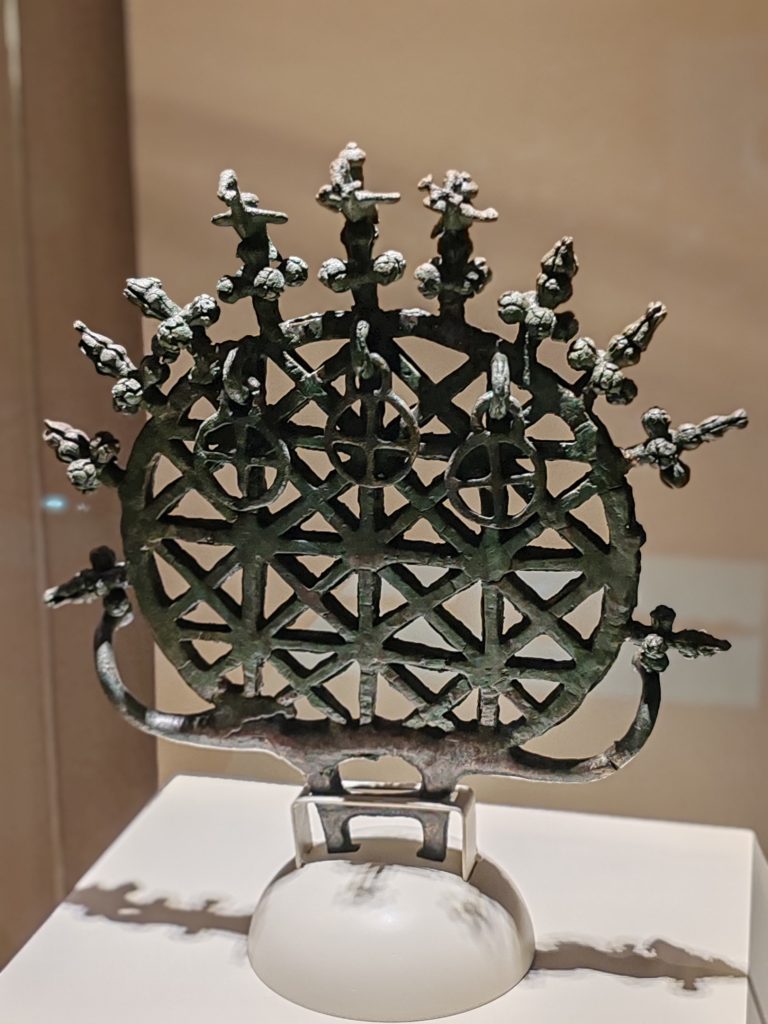
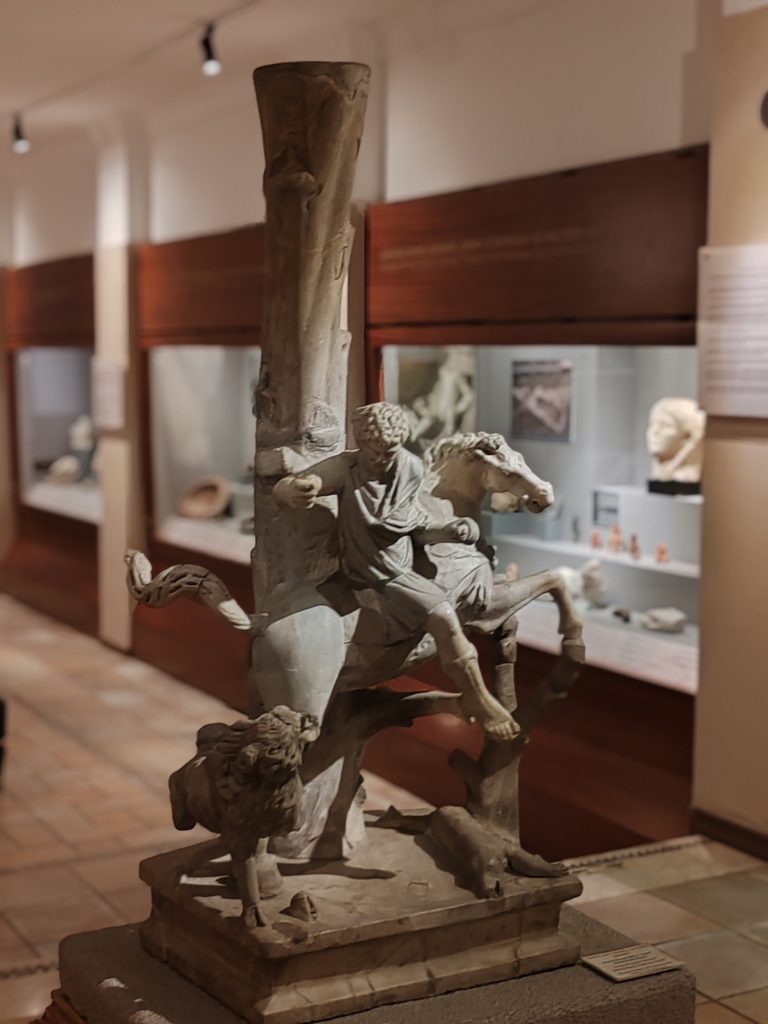
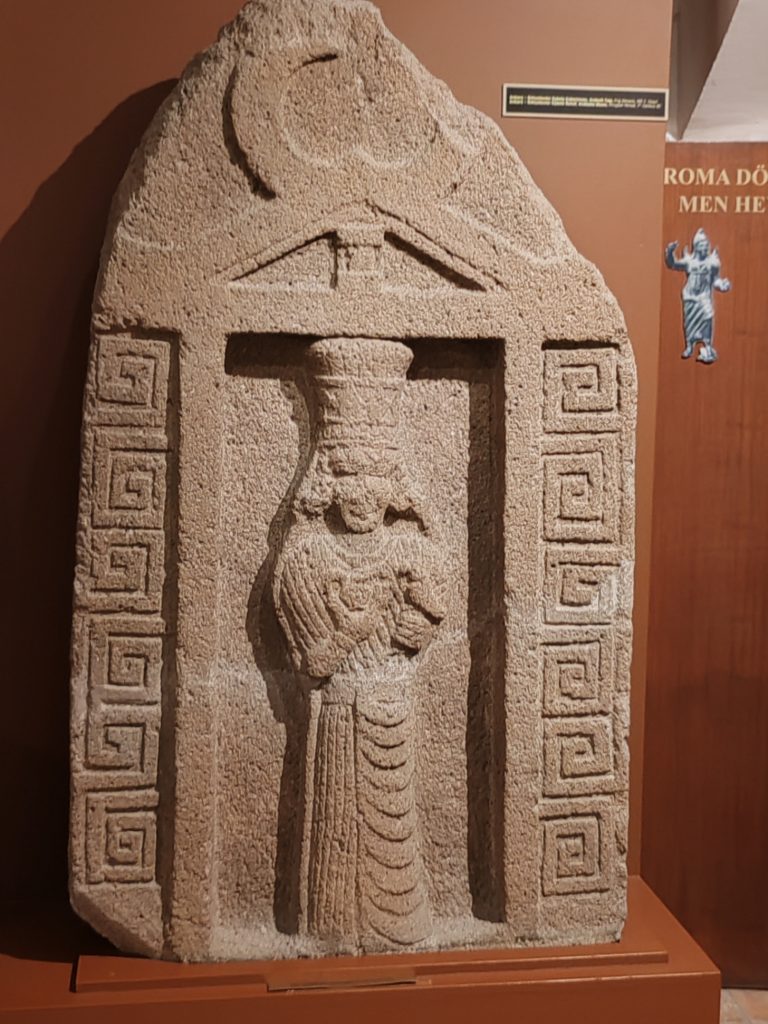
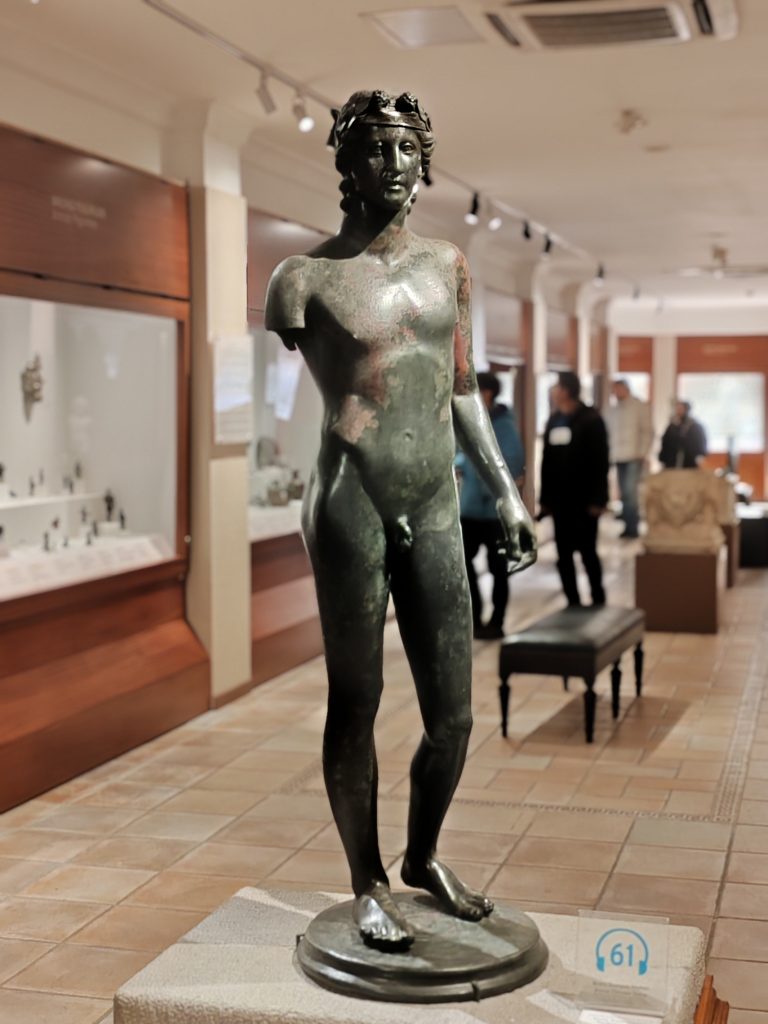
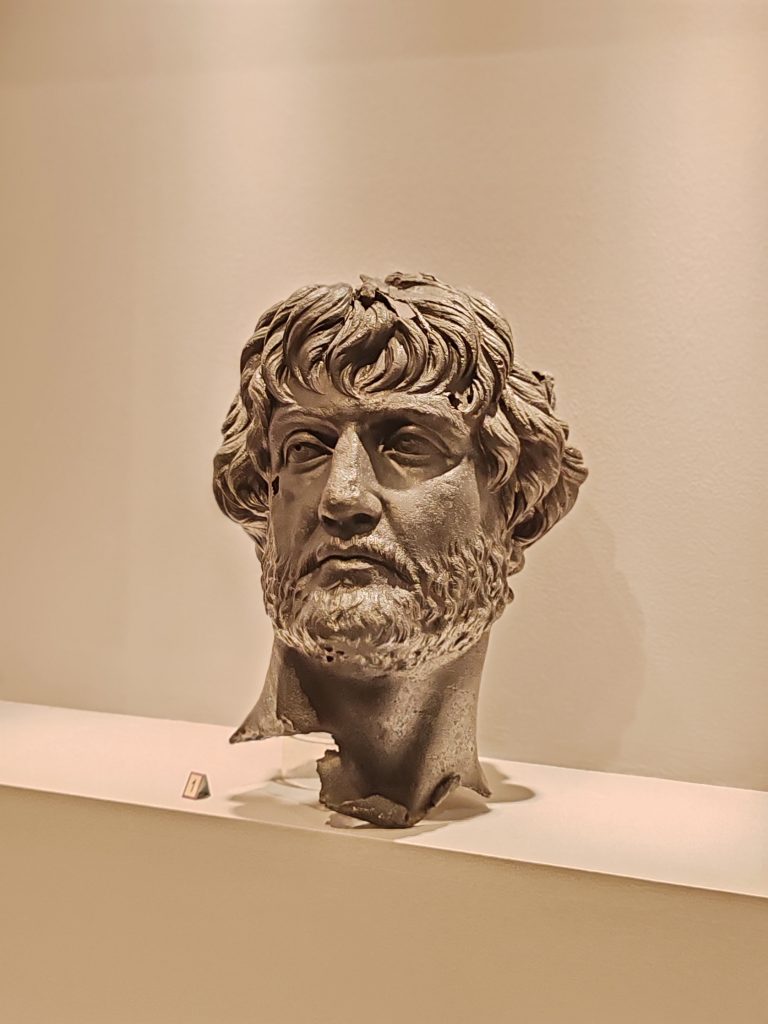
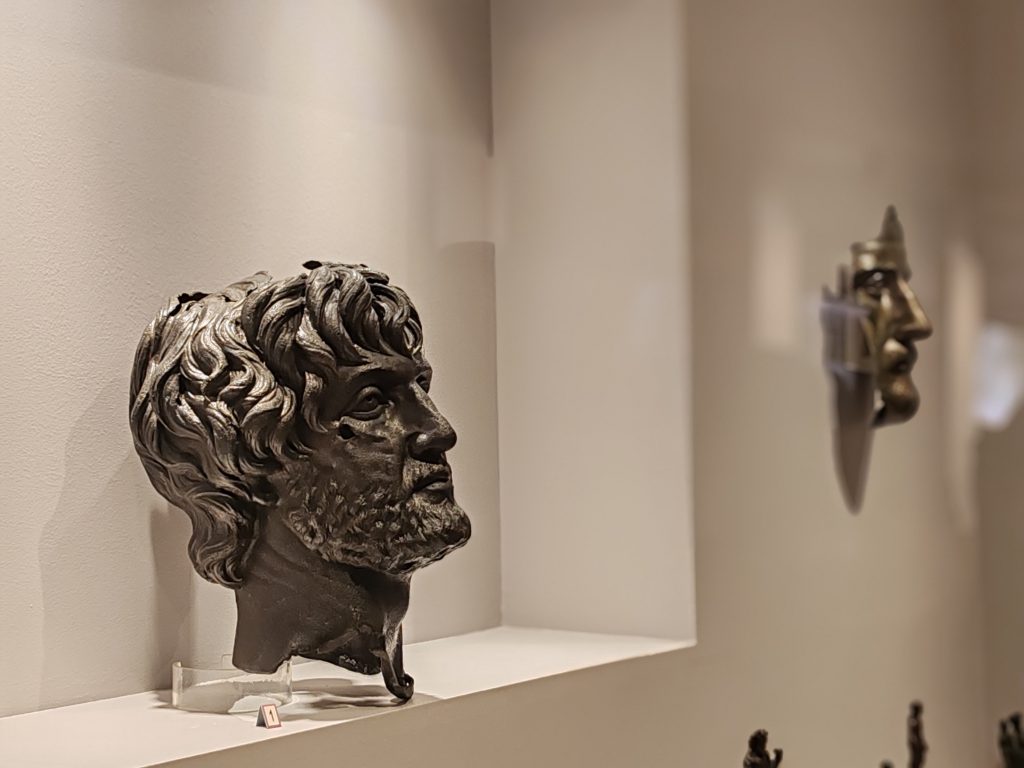
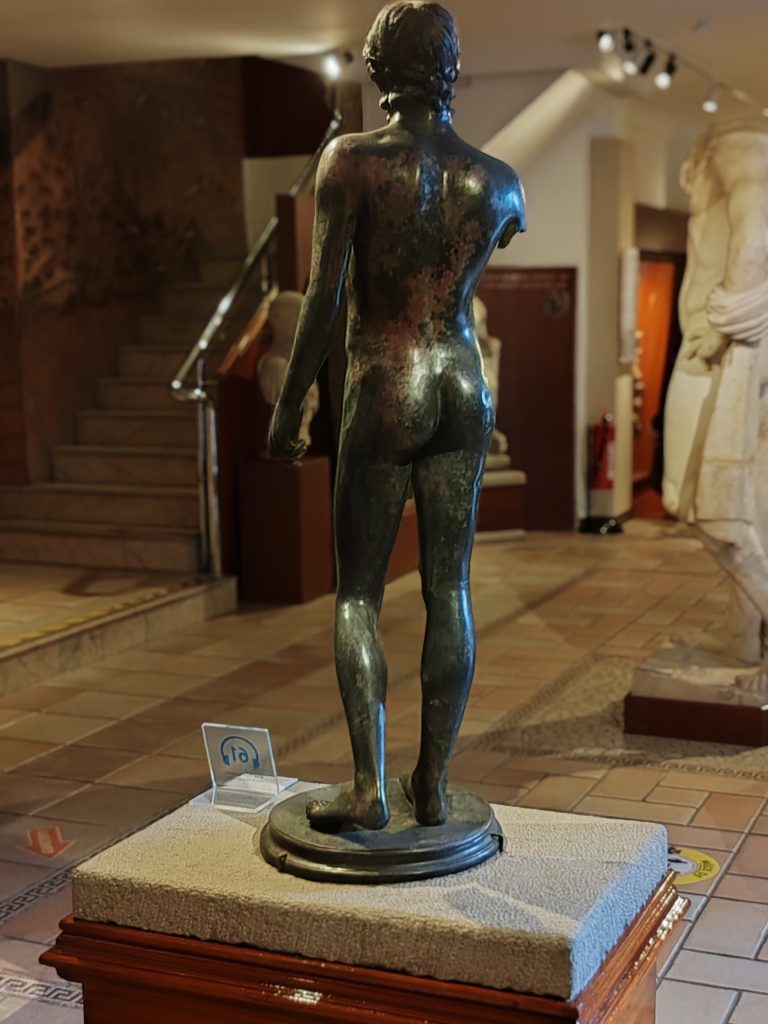
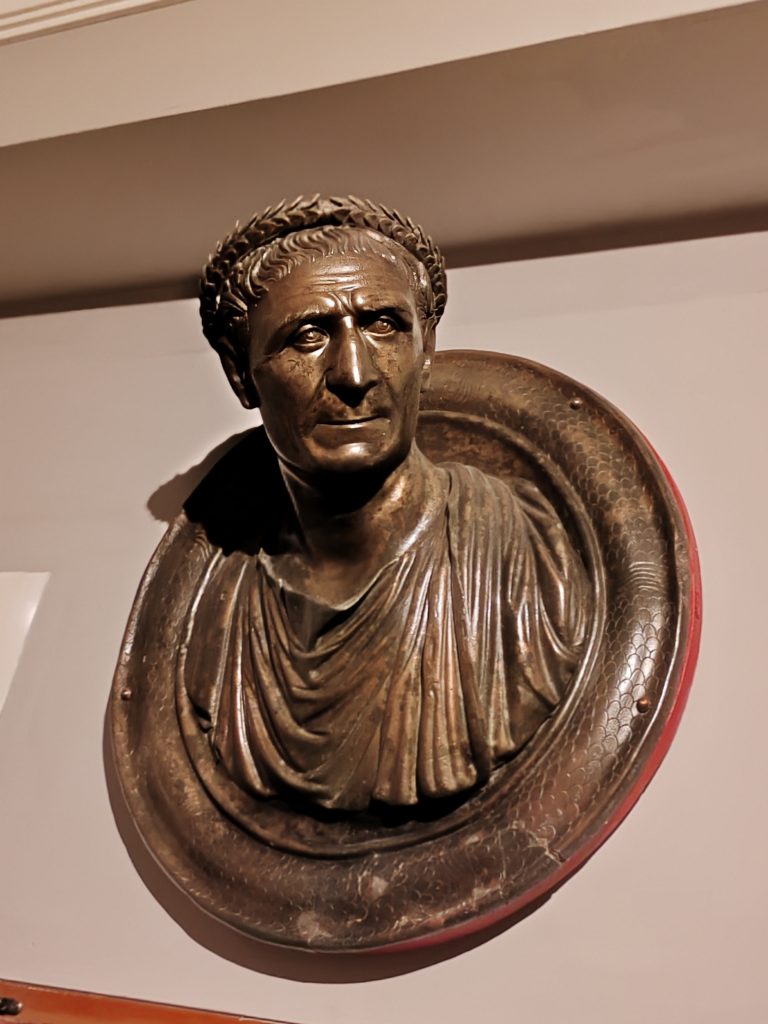
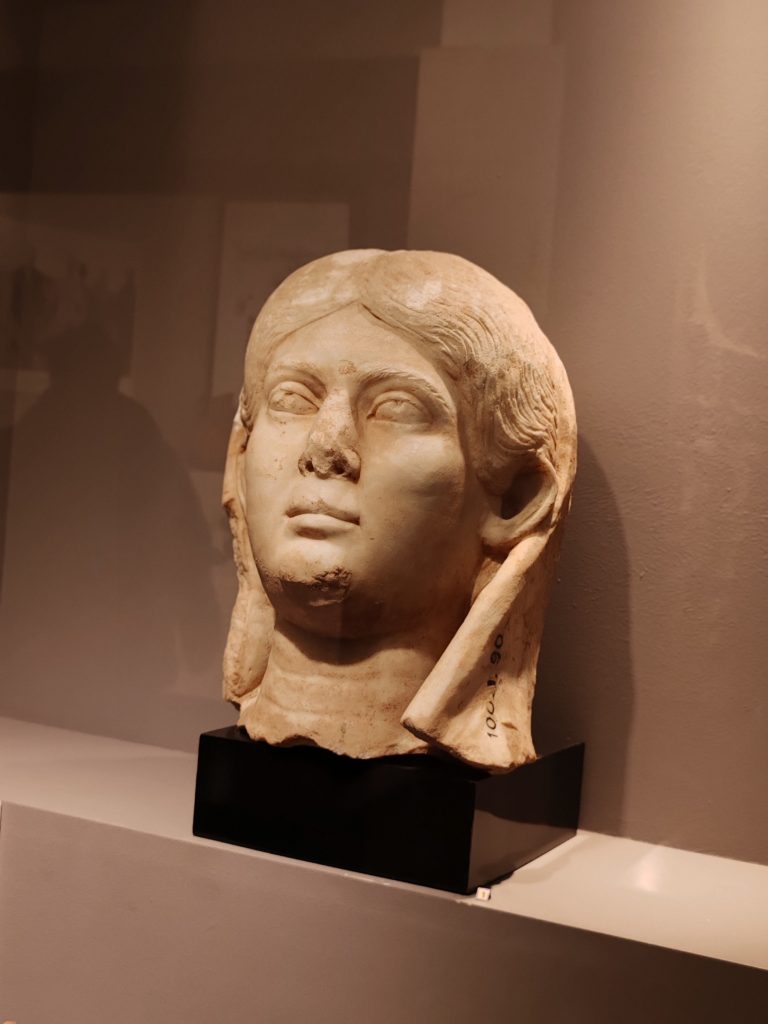
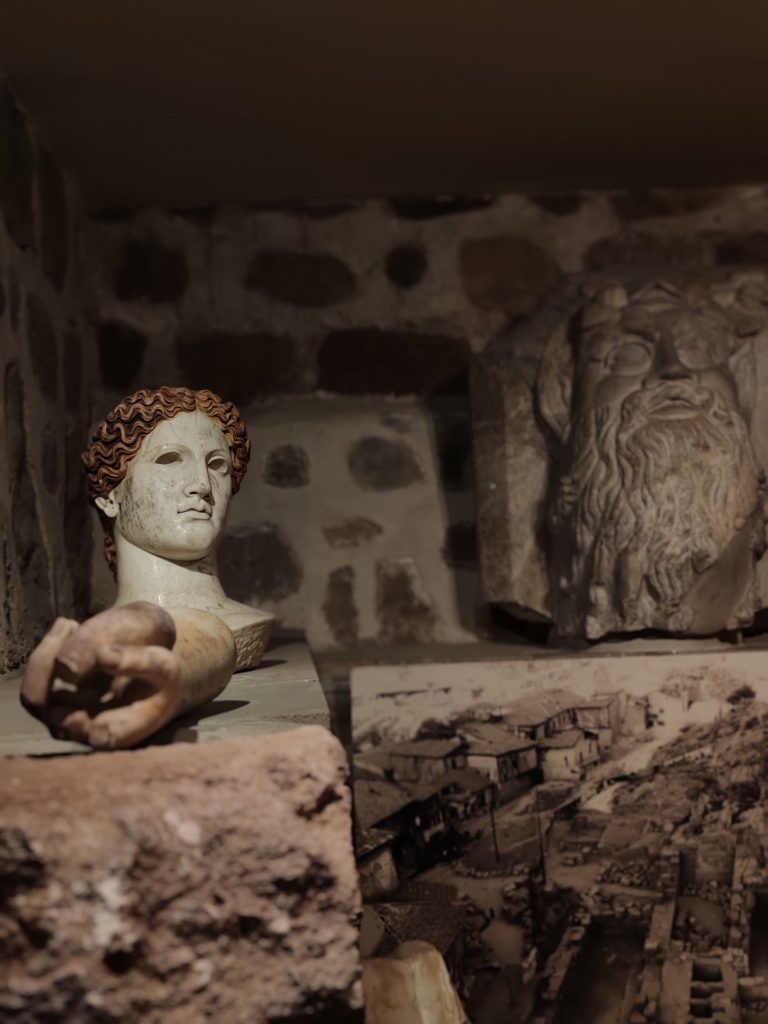
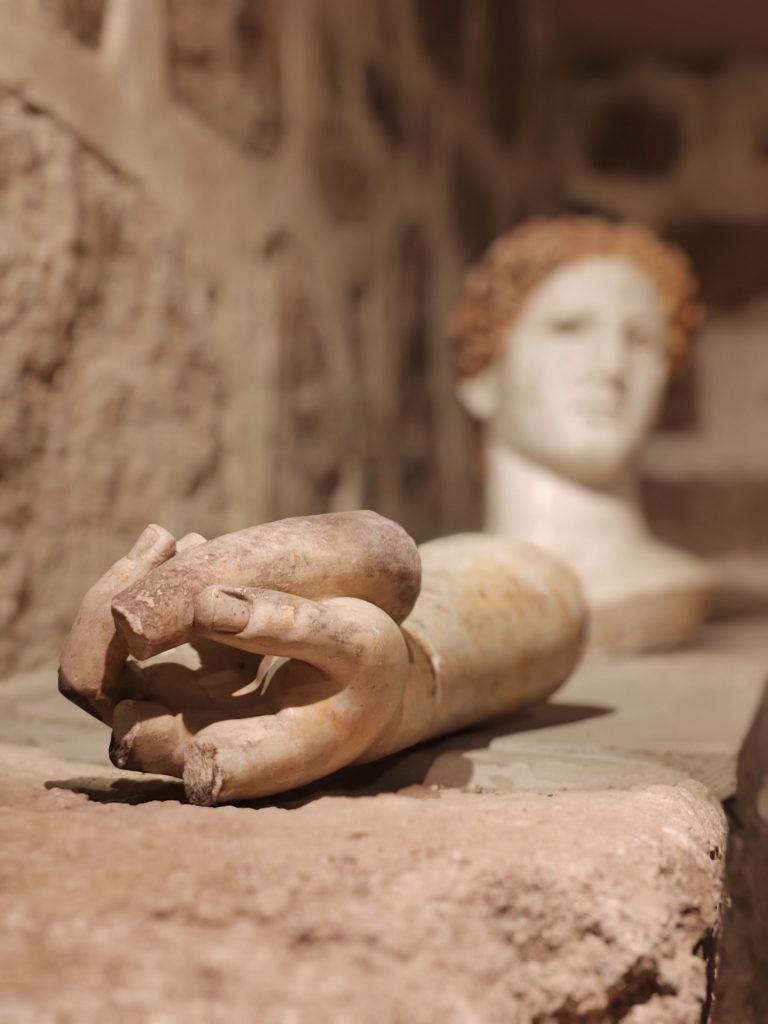
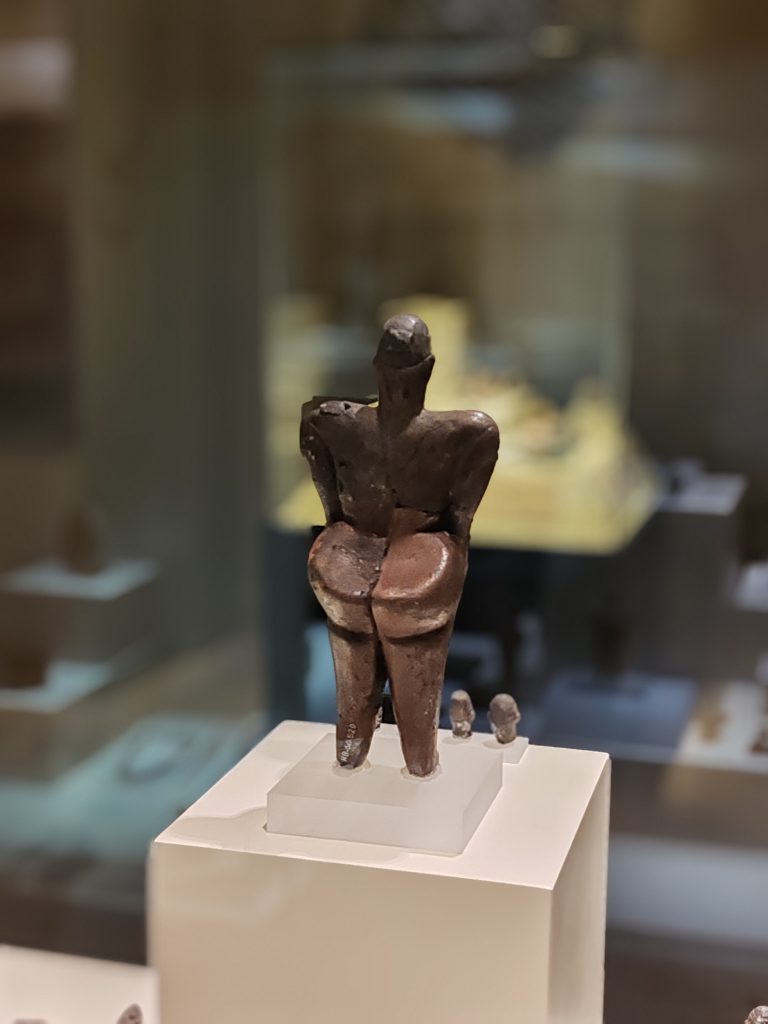
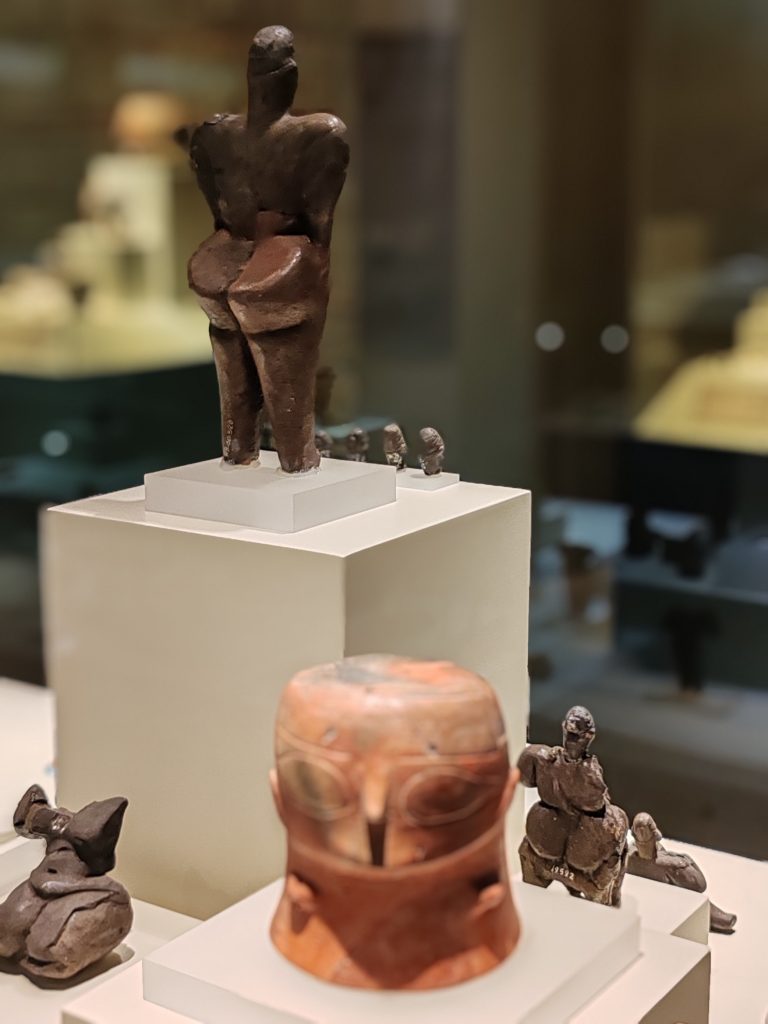
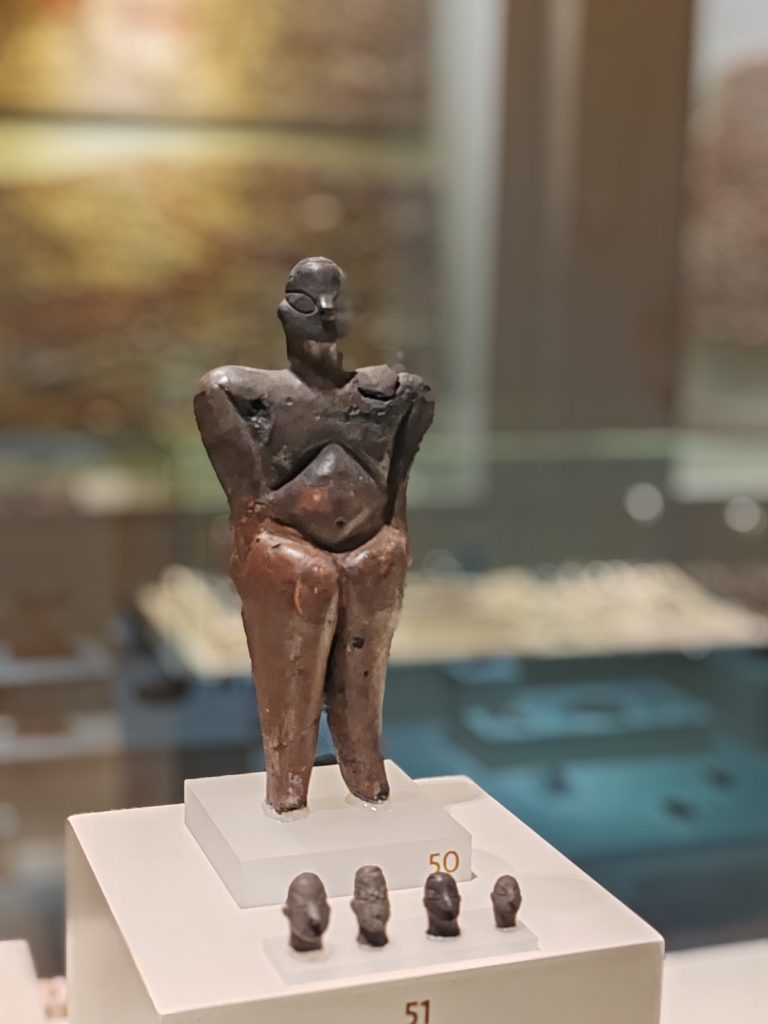
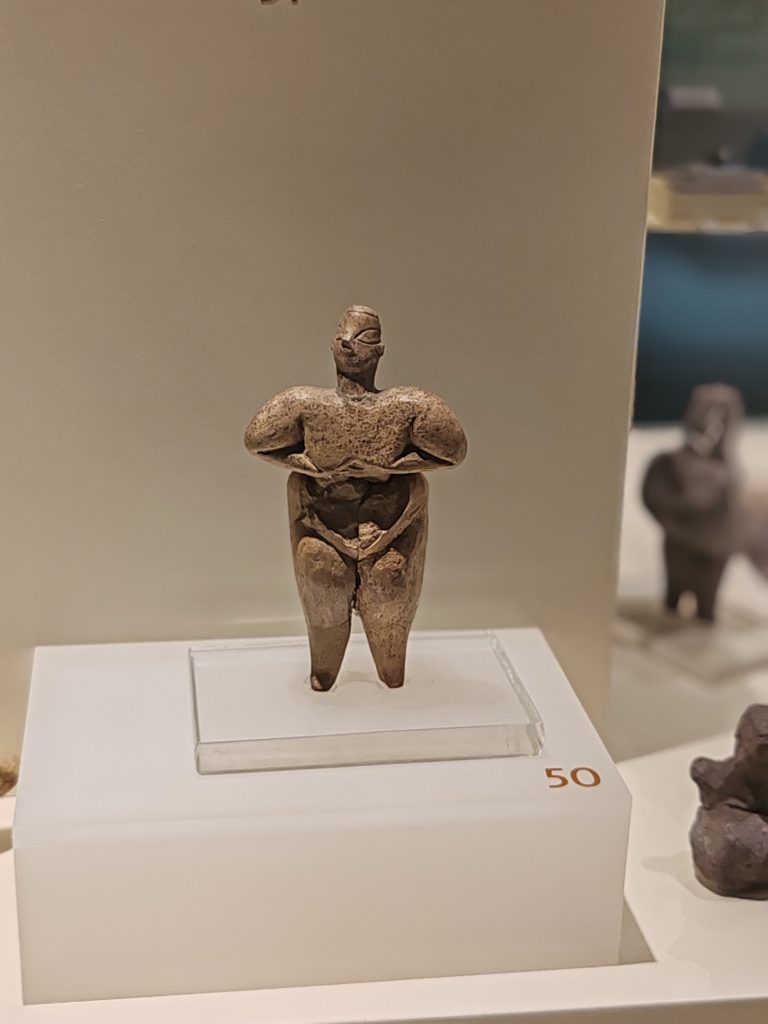
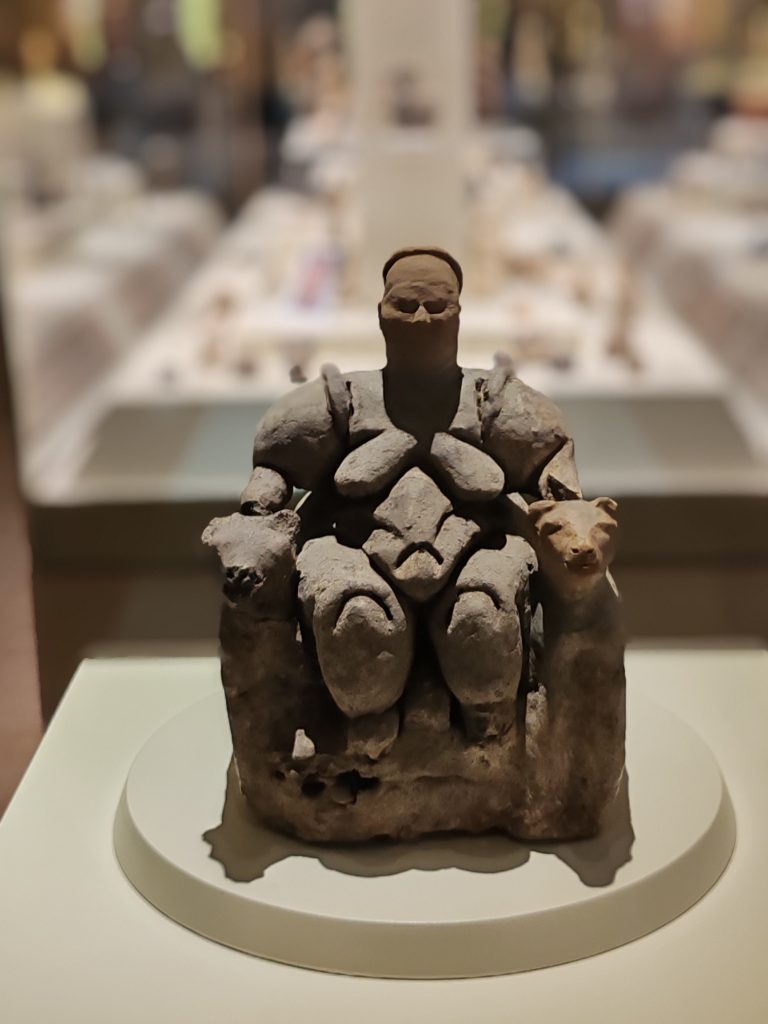
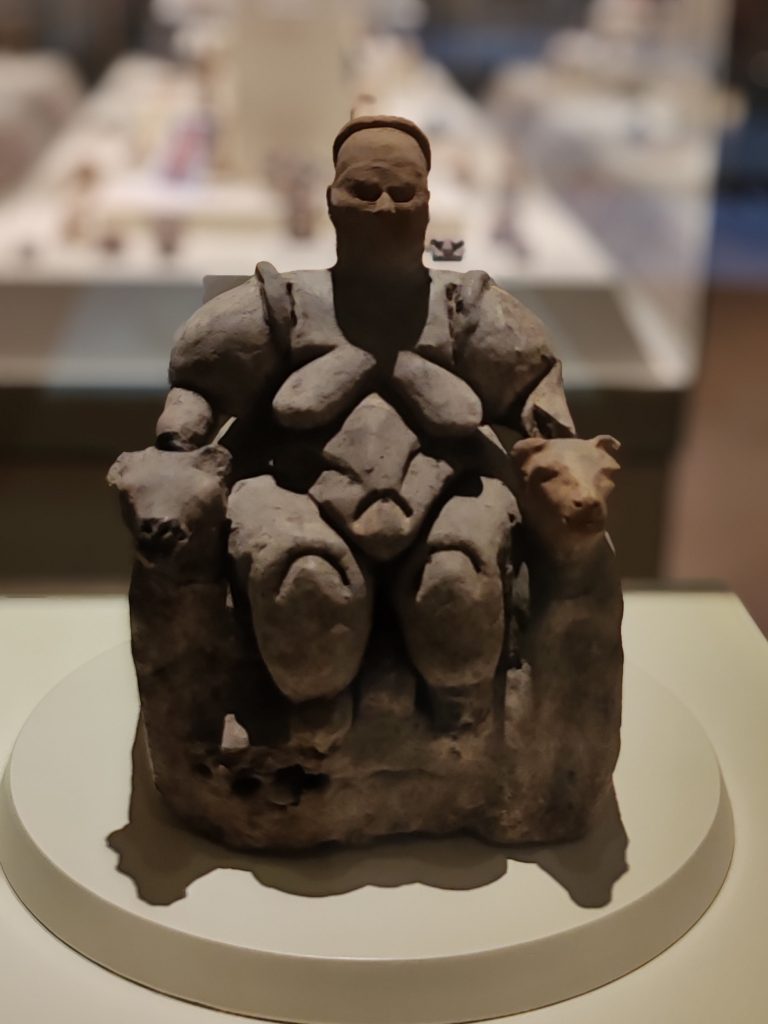
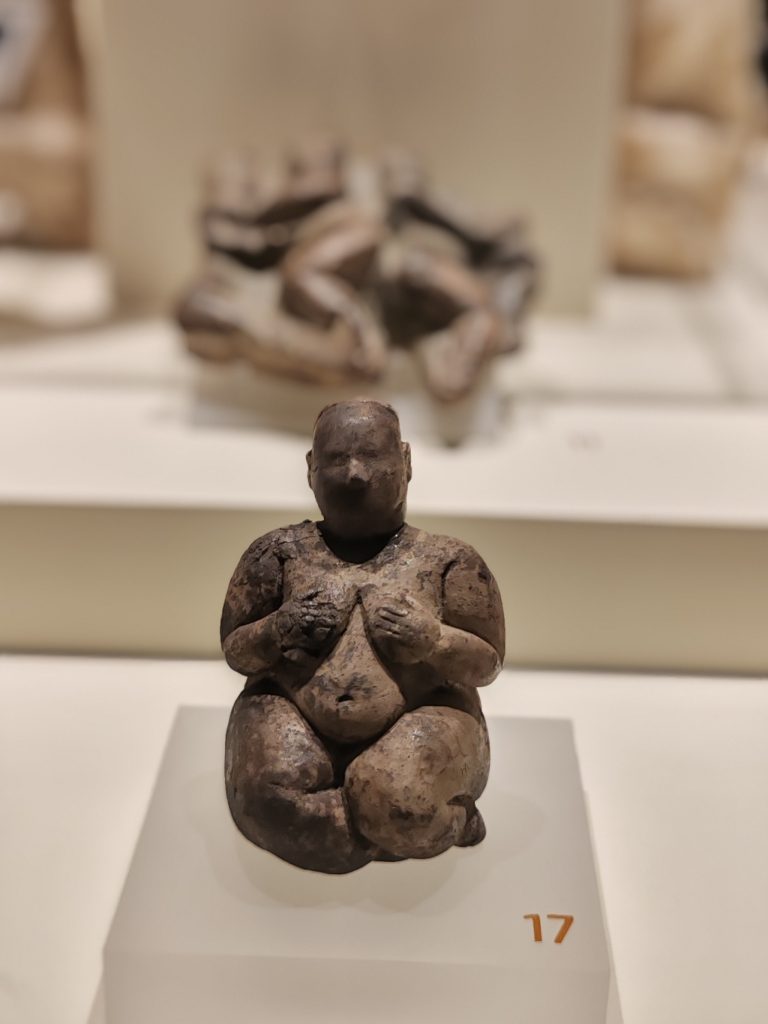
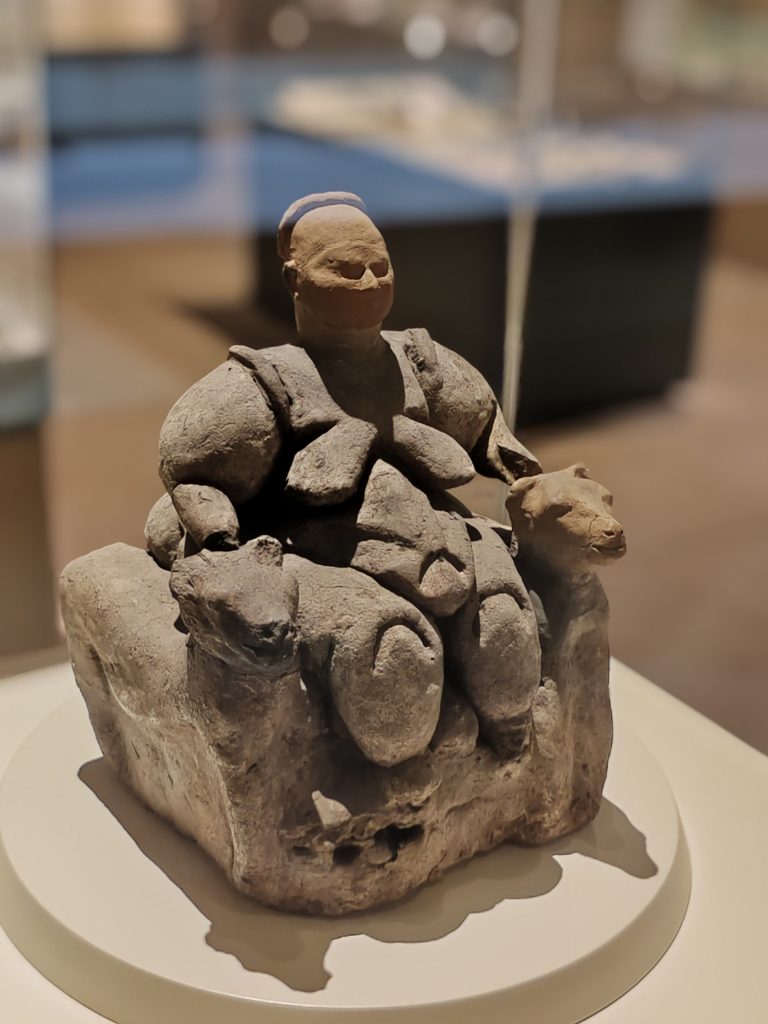
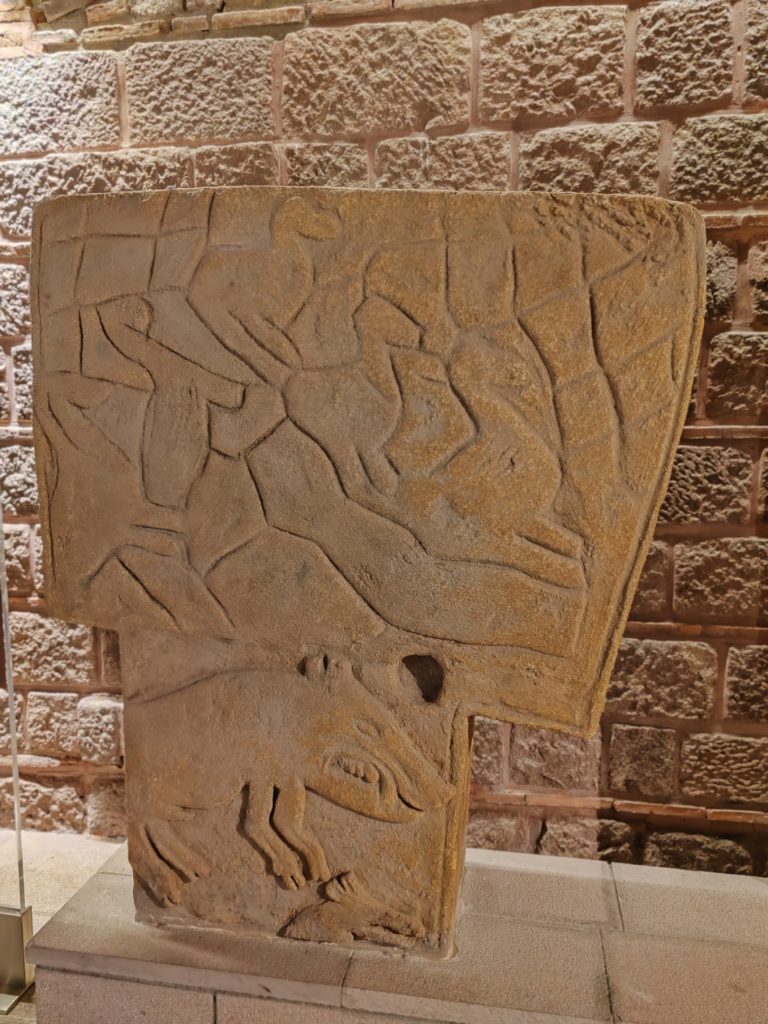
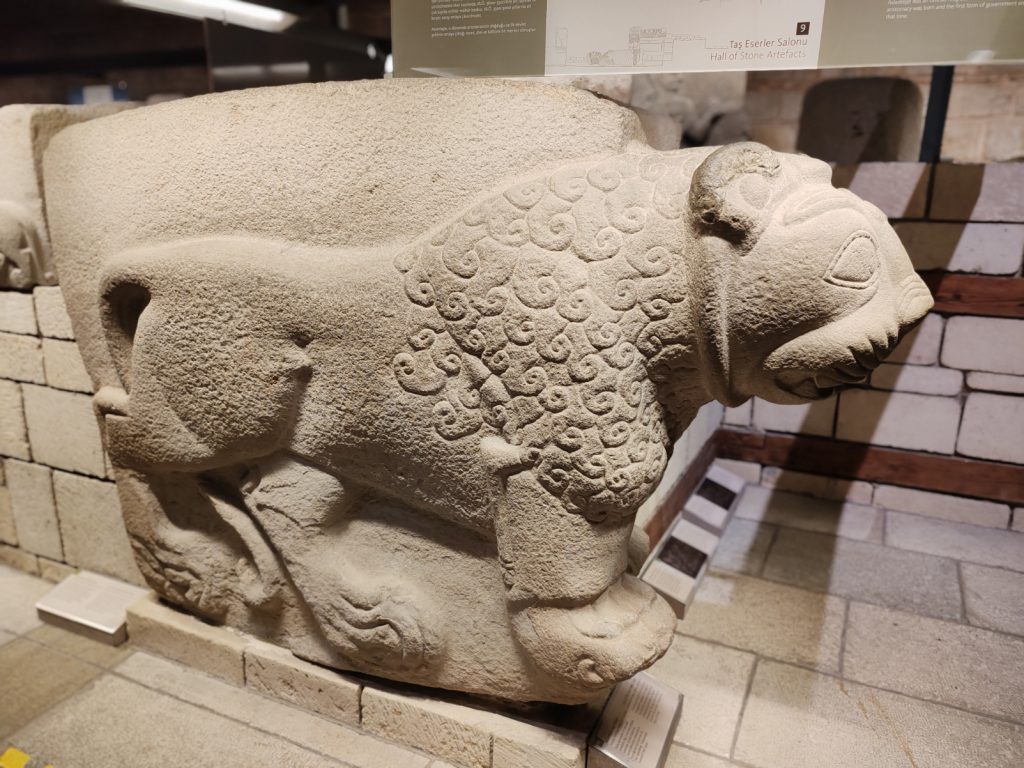
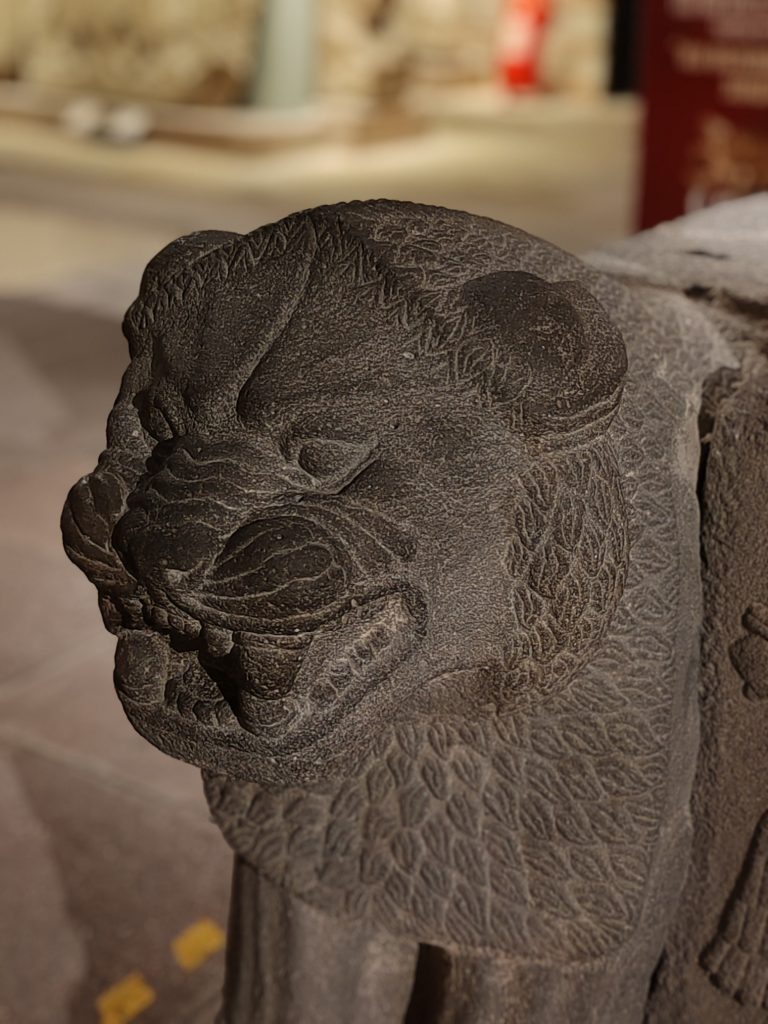
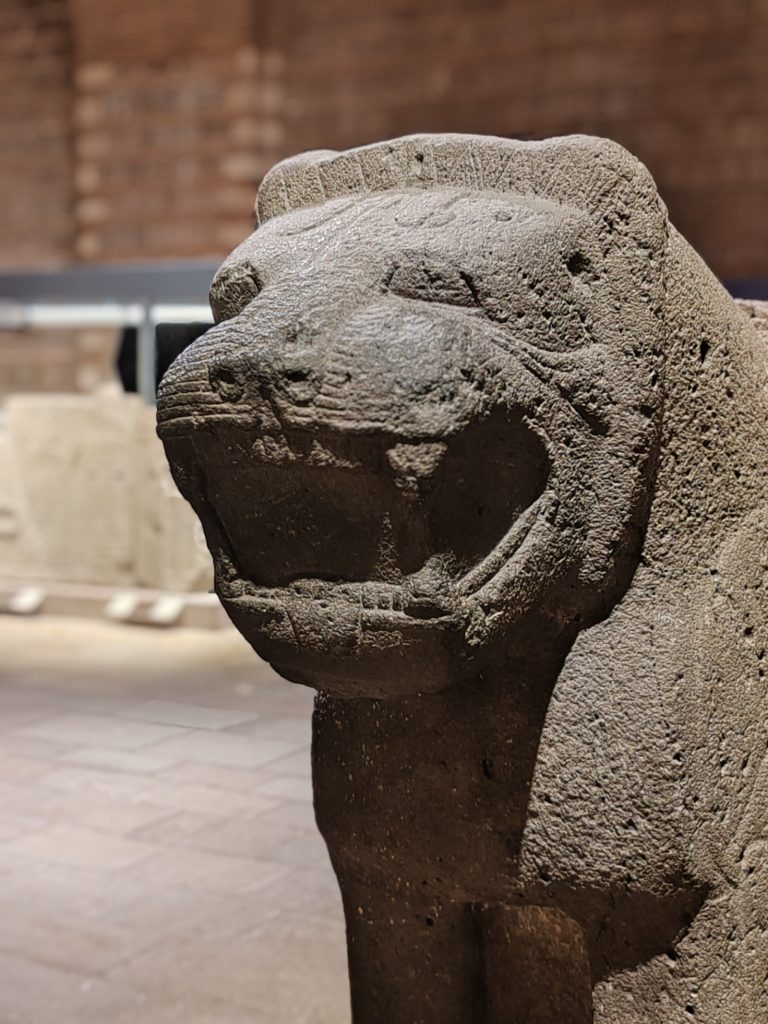
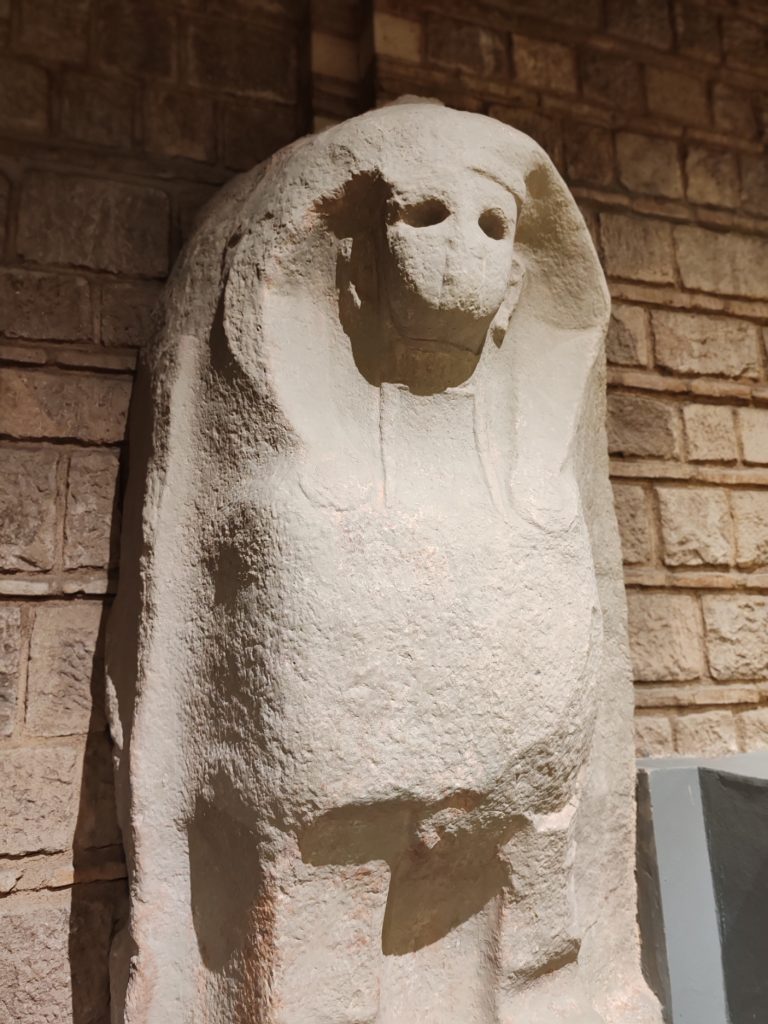
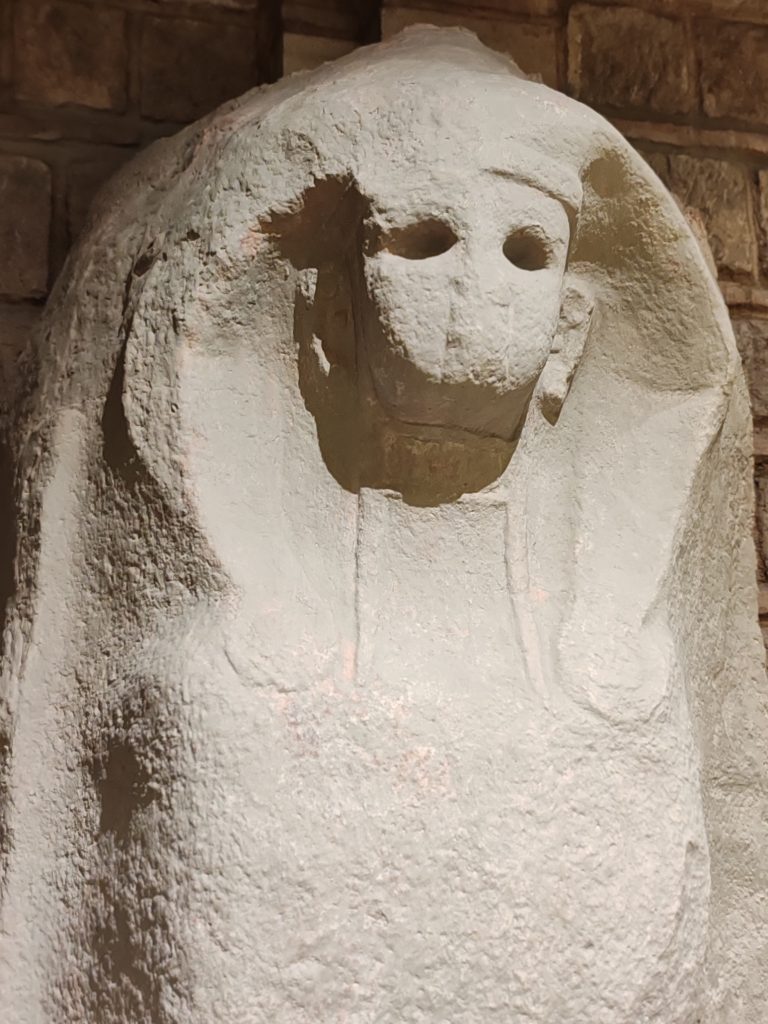
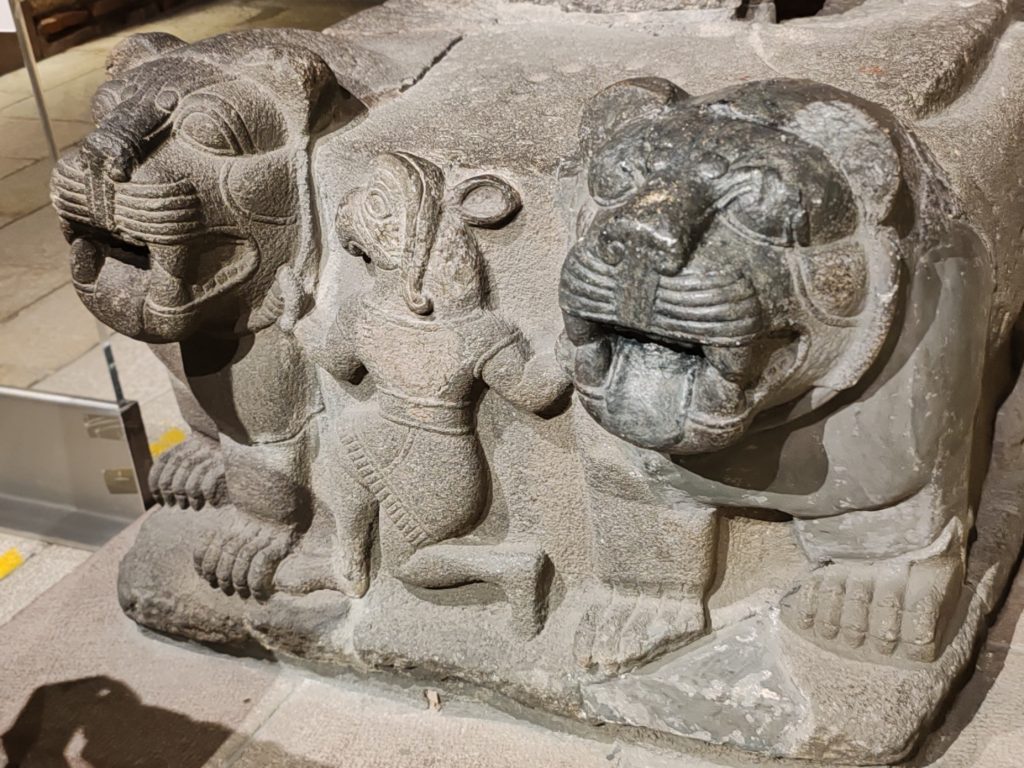
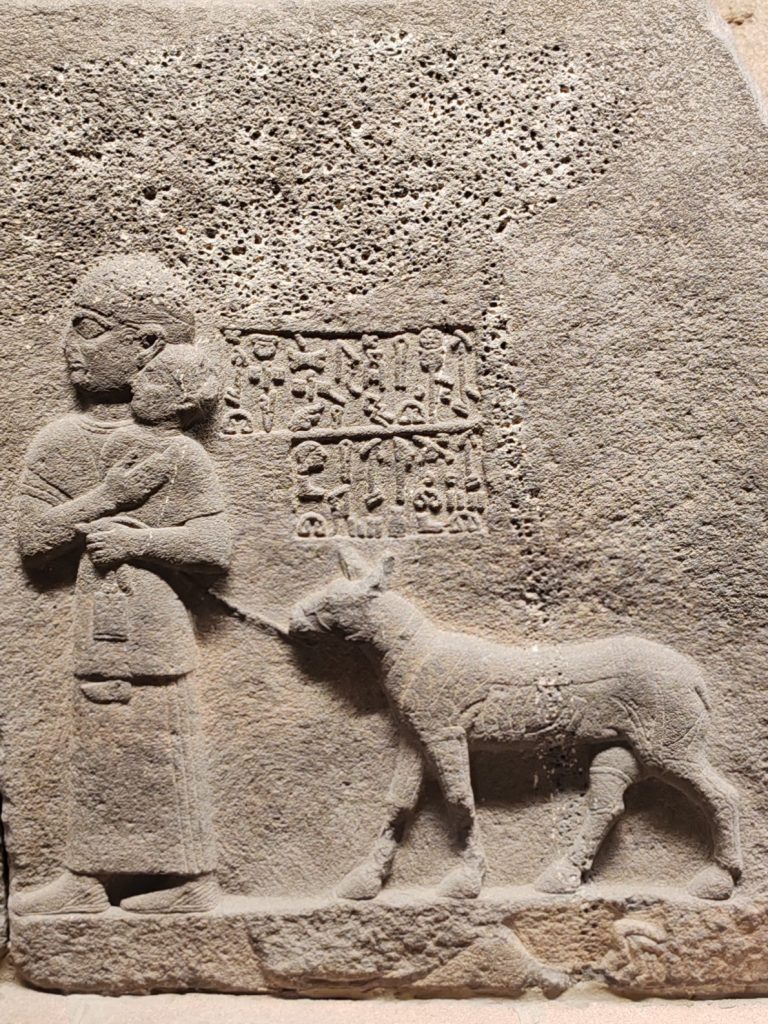
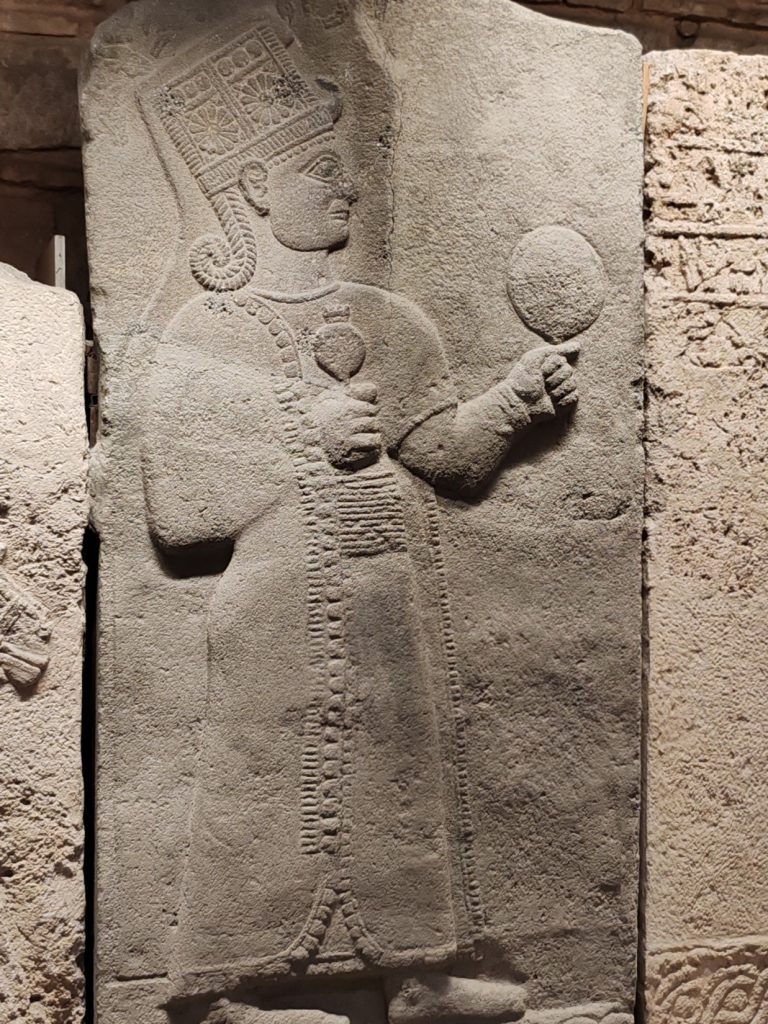
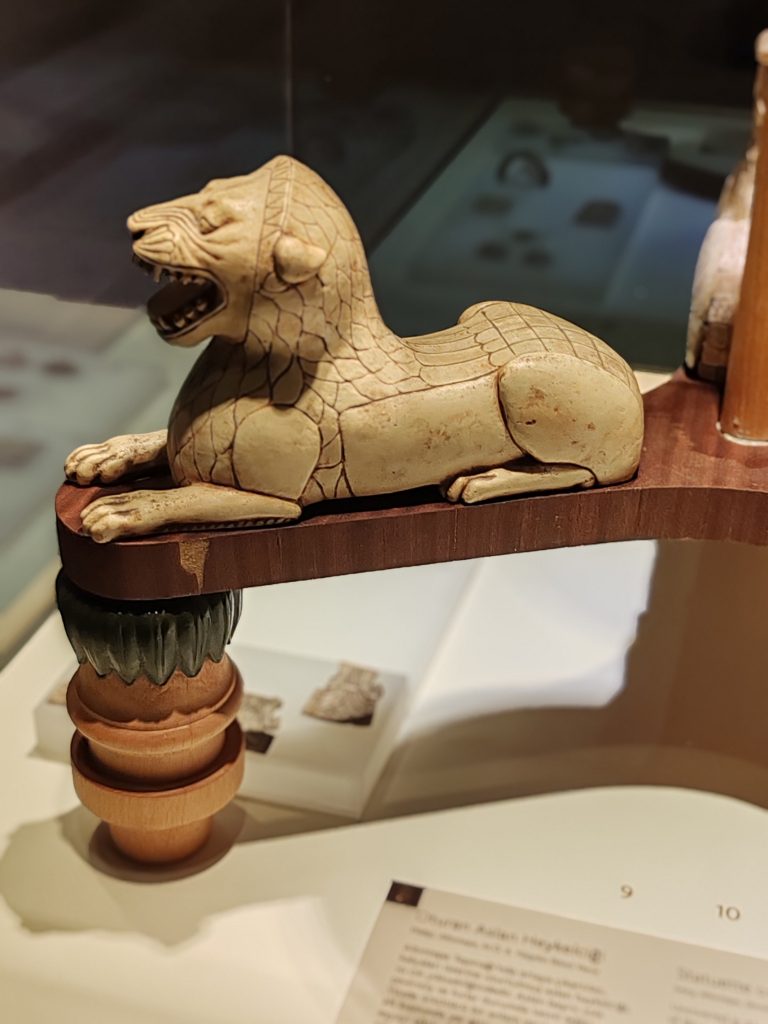
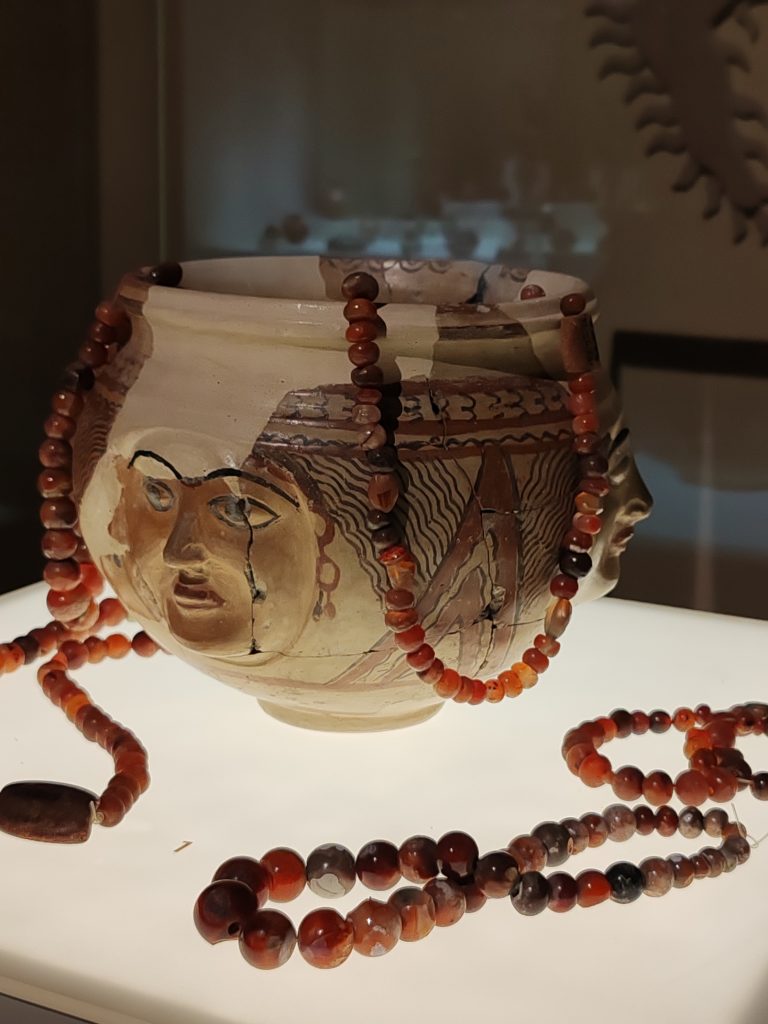
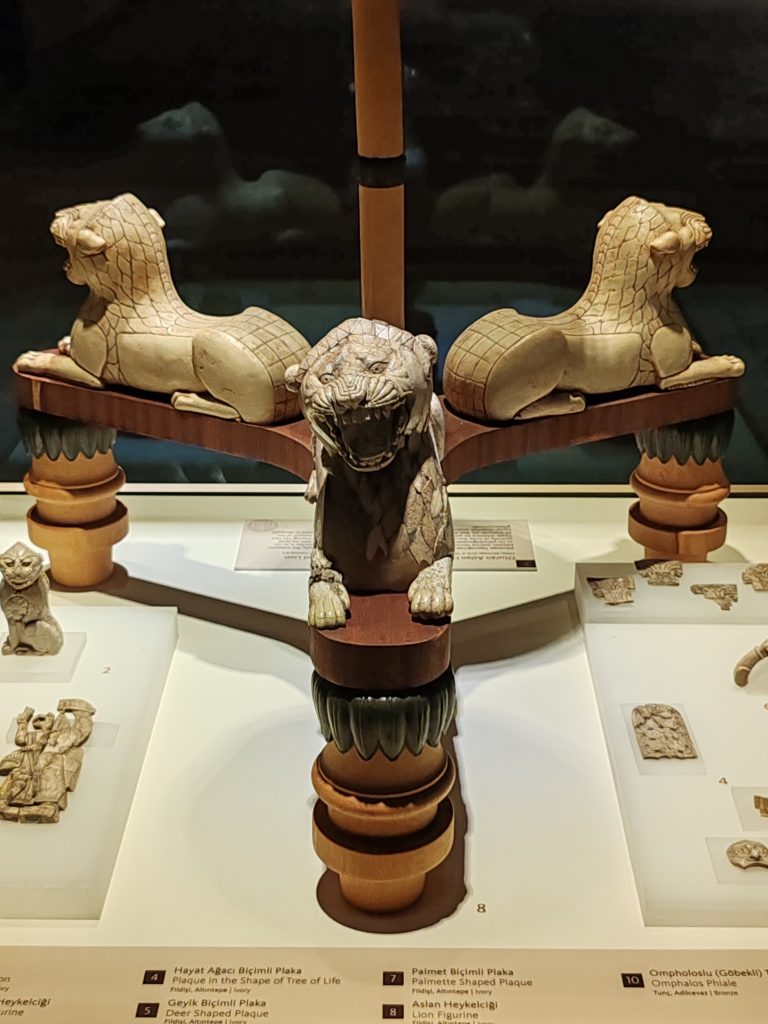
Photos by Dr.Humeyra Turedi
Fotoğraflar: Dr.Hümeyra Türedi