

The Museum of Anatolian Civilizations

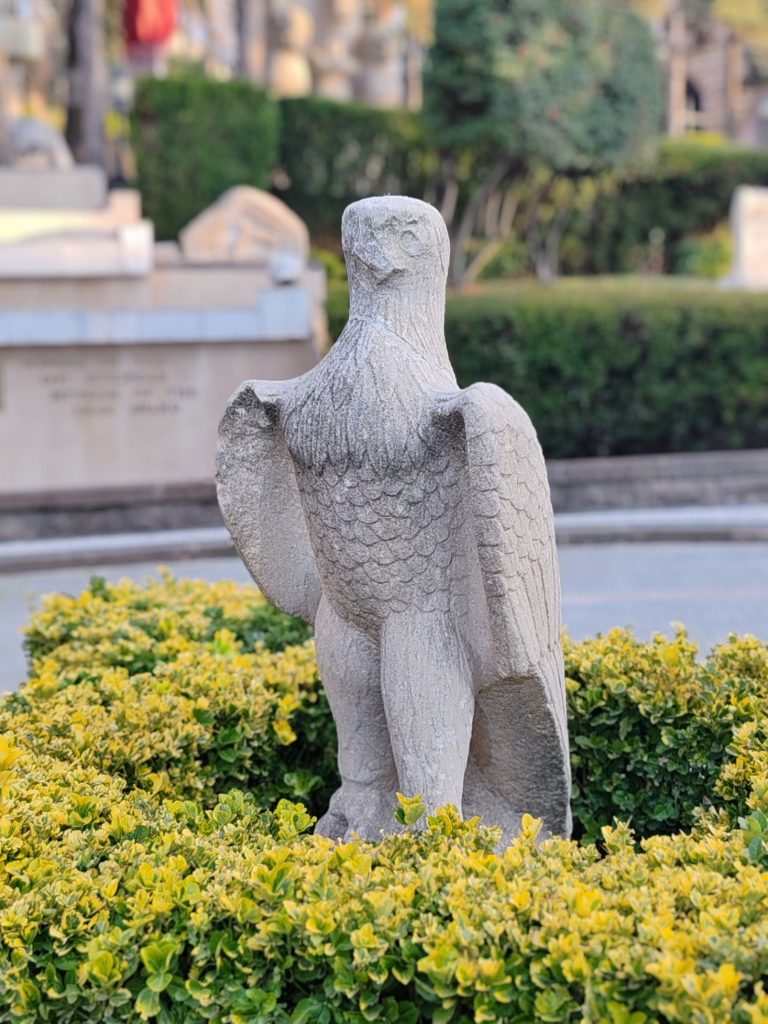
The Museum of Anatolian Civilizations, which houses unique artifacts from Anatolian lands dating back to the Paleolithic Age, is located in two remarkable historic buildings: Mahmutpaşa Bedesteni and Kurşunlu Han, both architectural works from the Ottoman period. Restored and renewed in 2014, the museum offers visitors an immersive historical experience through virtual tours, reconstructions, and replicas, allowing a vivid journey into humanity’s deep past.
Reading the Hidden Curriculum in the Classroom: From Bowles & Gintis’ Correspondence Theory to a Set of Micro-Observation Questions

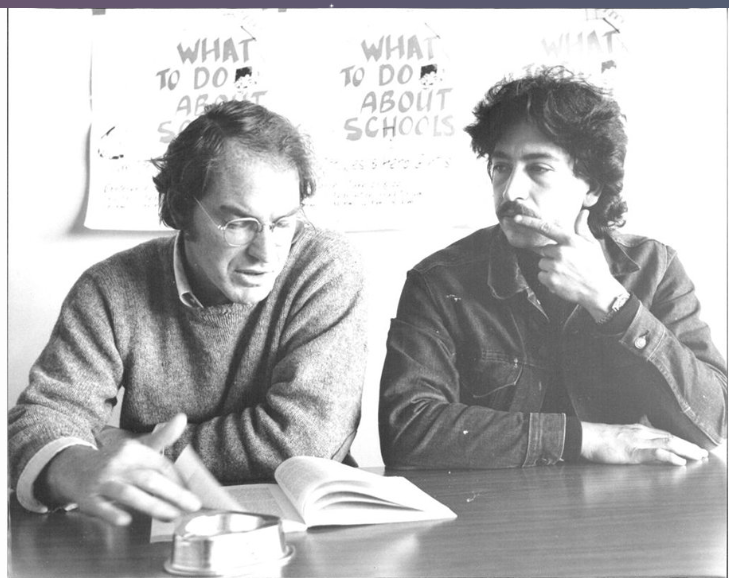
Hidden curriculum debates constitute one of the most dynamic strands within the sociology of education. Schools do not merely transmit the knowledge and skills listed in the official curriculum; they also shape students’ self-perceptions, their relationship with authority and obedience, their understanding of success and “the correct answer,” the hierarchy within the classroom, and their everyday behavioural patterns. This shaping process is rarely stated explicitly. Instead, it manifests itself in routines, in teachers’ tone of voice, in classroom layout, in reward-and-punishment practices, in how silence is imposed, and in which student behaviours are treated as “normal.” In this sense, the hidden curriculum is not a visible text like the official curriculum; it is a form of social organization embedded in everyday school life.


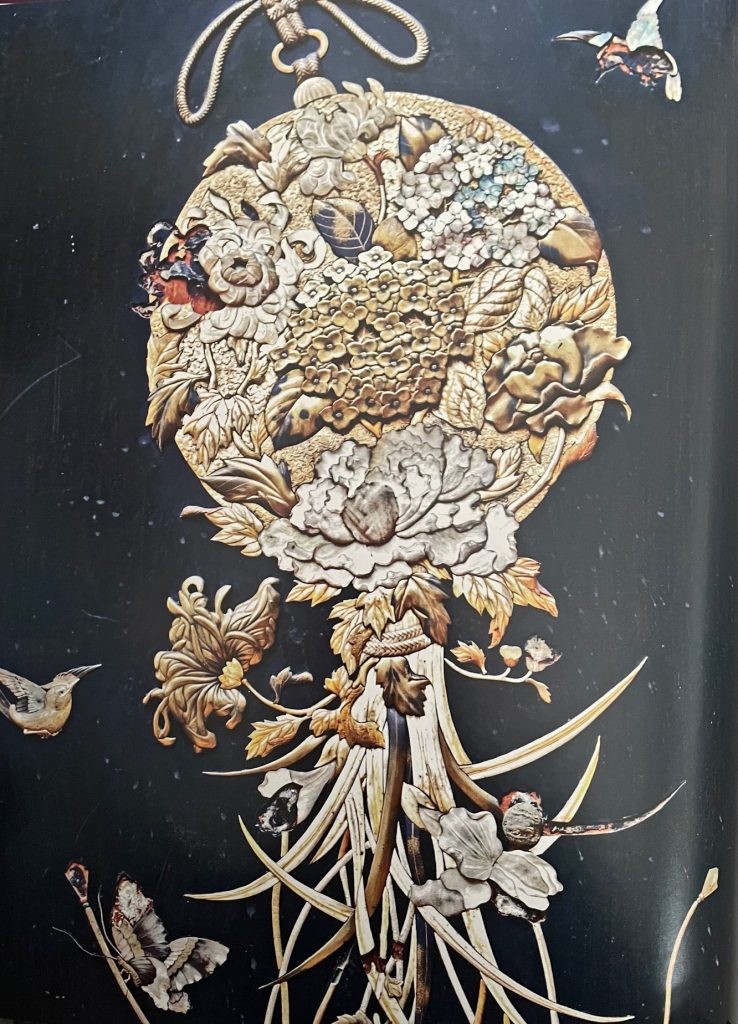
Sultan Abdulhamid II, Woodworking, and the Strengthening of Ottoman–Japanese Relations

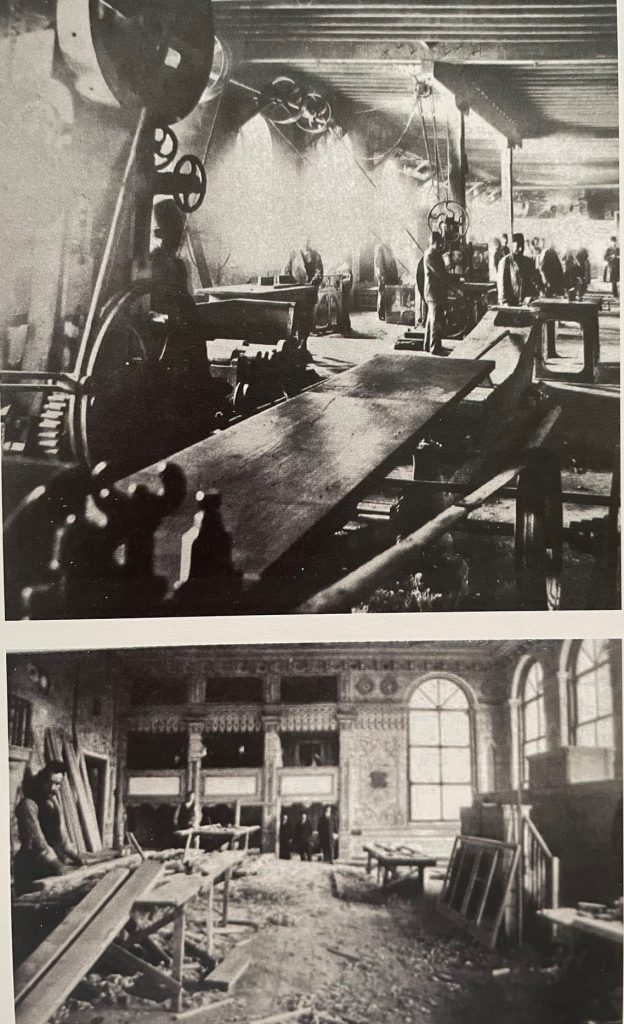
The friendship between the Ottoman Empire and Japan during the reign of Sultan Abdülhamid II was not shaped solely through diplomatic exchanges, but also through shared cultural interests and personal affinities. Among these, the Sultan’s deep enthusiasm for woodworking and fine craftsmanship played a distinctive role. Abdülhamid II was not merely a patron of the arts; he was personally engaged in carpentry and took great interest in high-quality tools and materials. Japan, aware of this inclination, responded by sending finely crafted woodworking tools and objects that reflected both technical mastery and symbolic value. These exchanges transformed diplomacy into a tangible, material dialogue, where craftsmanship became a medium of friendship and mutual respect. The woodworking tools presented to the Sultan thus stand not only as functional objects, but also as enduring witnesses to the cultural and personal bonds that developed between the two empires.


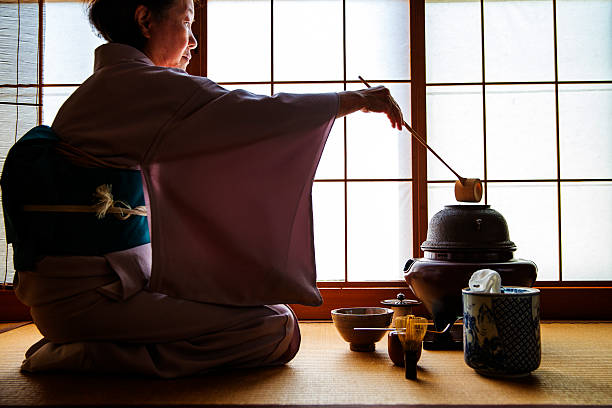
The Tea Ceremony in Japanese Culture: Zen Philosophy, Aesthetics, and Ritual

Sado (Traditional Japanese Tea Ceremony)

In Japanese culture, tea is far more than a simple beverage; it represents a philosophical, spiritual, and aesthetic practice deeply shaped by Buddhist thought. Under the influence of Zen Buddhism, tea evolved into a medium through which ideals such as simplicity, humility, respect, and inner harmony could be experienced. The Japanese tea ceremony, with its carefully prescribed rituals and symbolic meanings, embodies this synthesis of philosophy, art, and daily life.


Categories
Hıstory

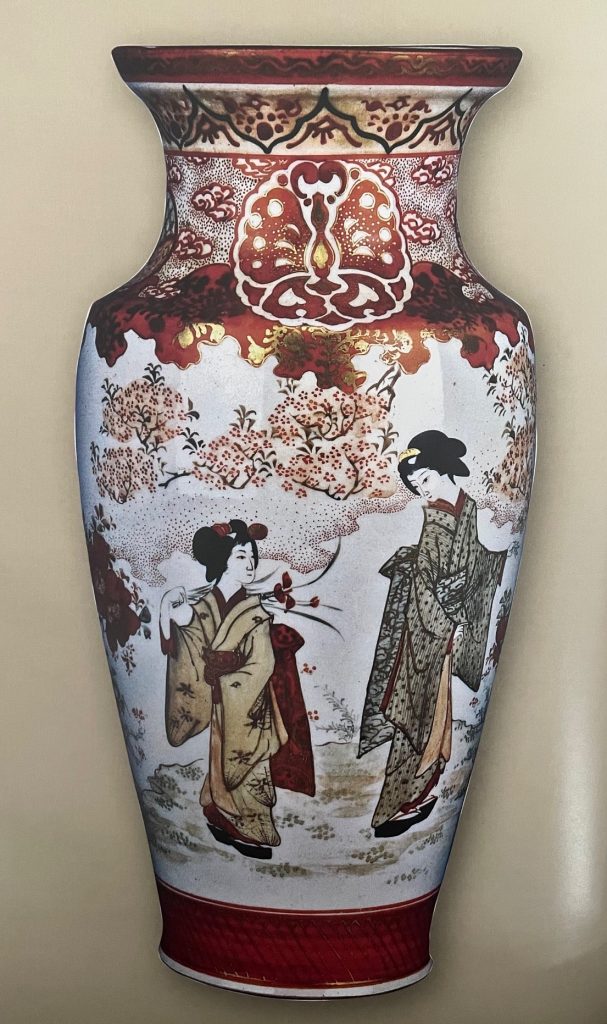
Japanese Porcelain: Production, Global Circulation, and Its Reception in the Ottoman Court

Japan was the fourth country in the world to produce porcelain, following China, Vietnam, and Korea. Distinguished by their unique forms, decorative motifs, and technical innovations, Japanese porcelains not only developed a distinctive artistic identity but also became a major source of inspiration for both Asian and European ceramic traditions. Within the global history of porcelain, Japanese wares constitute the most original group after Chinese porcelain. Their widespread recognition in Europe today reflects centuries of artistic exchange, trade networks, and shifting cultural tastes—processes that also deeply influenced Ottoman court culture.


Categories
Hıstory

Ukiyo-e Woodblock Prints and Their Influence on Western Art

Japanese woodblock prints, particularly those known as ukiyo-e, played a crucial role not only in the visual culture of Japan but also in shaping the artistic transformations of nineteenth-century Europe. Emerging from religious and popular traditions, these prints developed into a sophisticated art form that profoundly influenced Western painters seeking new modes of representation. Through their distinctive perspectives, flattened compositions, and symbolic engagement with nature and everyday life, ukiyo-e prints became one of the most important sources of inspiration for Impressionist and Post-Impressionist artists.


Categories
Hıstory

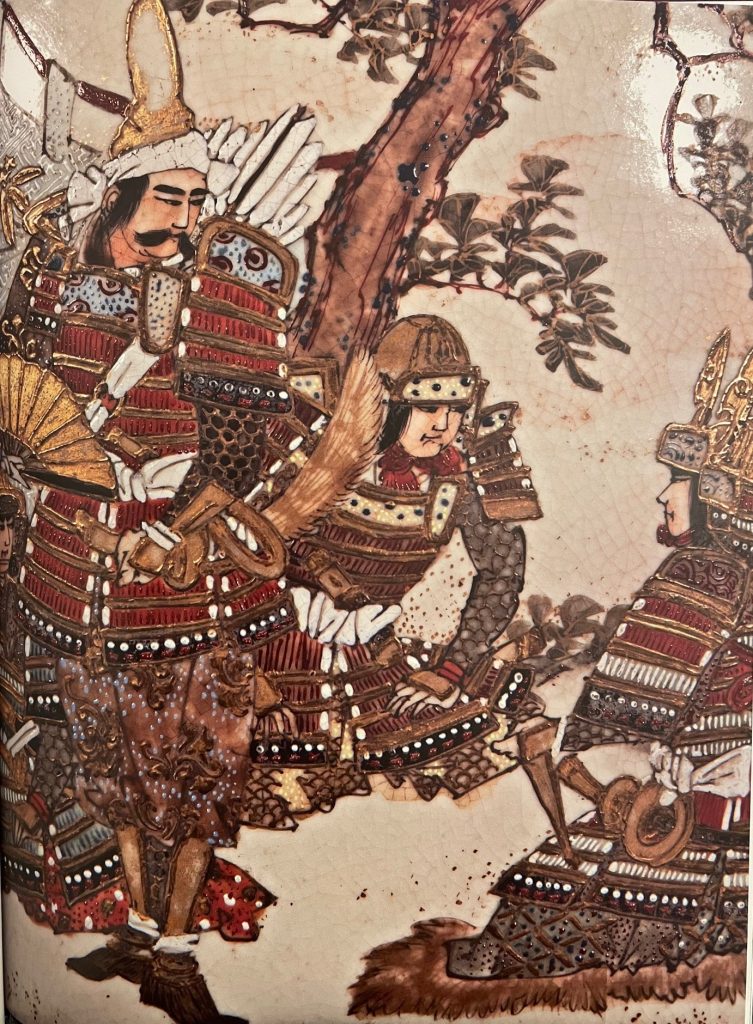
An Aesthetic Language Between Empires: Japonisme and Japanese Art in the Ottoman Palace

The Emergence of Japonisme in Europe

The rise of Japonisme in Europe is directly connected to Japan’s opening to the outside world in the second half of the nineteenth century. With the end of the Tokugawa Shogunate and the Meiji Restoration of 1868, Japan abandoned its centuries-long policy of isolation and began to introduce itself to the Western world through international exhibitions. One of the earliest and most decisive steps in this process was Japan’s first participation in the Great Exhibition of London in 1851. This was followed by the Paris Exposition of 1855 and the London Exhibition of 1862, which enabled Japanese art to be systematically recognized in Europe.


Categories
CLIL-Bilingual Education

Learning a Language Through What You Love: R.T.’s Experience with Context, Gaming, and Bilingual Development

Discussions on bilingualism and multilingualism often focus on age, family language, and schooling. However, one factor has become increasingly visible in recent years: context. The environment in which a language is learned, the motivation behind learning it, and the content through which it is acquired all play a decisive role in how deeply and effectively that language develops. R.T.’s language-learning journey offers a powerful contemporary example of this principle.

Categories
CLIL-Bilingual Education

Growing Up Bilingual: A Look at Language Development Through E.H.’s Story

In recent years, many discussions have focused on bilingualism. Some parents worry that “If my child learns two languages at the same time, will they get confused?” while others believe bilingualism provides a lifelong advantage. Interviews with bilingual students offer valuable insights into these questions. In this article, I explore how bilingualism shapes children’s linguistic, cultural, and cognitive development through the real-life experience of a student I will refer to as E.H.


A Young Boy Looking to the Sky: An Interview with Ahmet Furkan Turedi

Interest in model aviation has been growing rapidly in Türkiye in recent years. Among the young competitors who have made a name for themselves in this field is Ahmet Furkan Türedi, born in 2012. Despite being only 13 years old, Furkan has already represented Türkiye with remarkable success in both national and international competitions, drawing attention with his discipline, determination, and passion.