



Categories
Hıstory

Japanese Porcelain: Production, Global Circulation, and Its Reception in the Ottoman Court

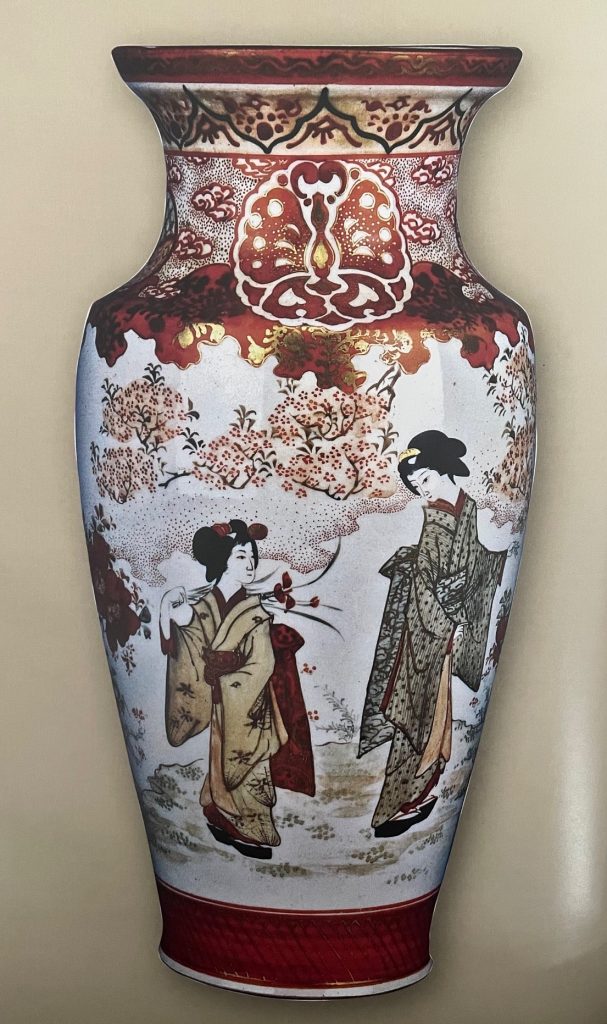
Japan was the fourth country in the world to produce porcelain, following China, Vietnam, and Korea. Distinguished by their unique forms, decorative motifs, and technical innovations, Japanese porcelains not only developed a distinctive artistic identity but also became a major source of inspiration for both Asian and European ceramic traditions. Within the global history of porcelain, Japanese wares constitute the most original group after Chinese porcelain. Their widespread recognition in Europe today reflects centuries of artistic exchange, trade networks, and shifting cultural tastes—processes that also deeply influenced Ottoman court culture.

Categories
Hıstory

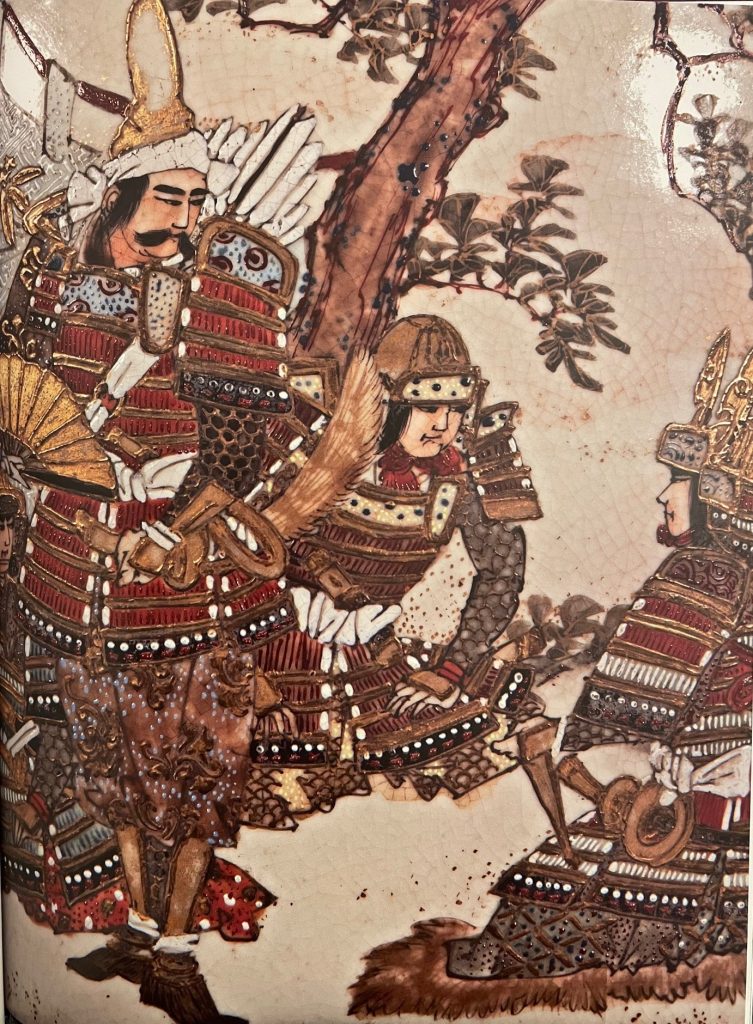
An Aesthetic Language Between Empires: Japonisme and Japanese Art in the Ottoman Palace

The Emergence of Japonisme in Europe

The rise of Japonisme in Europe is directly connected to Japan’s opening to the outside world in the second half of the nineteenth century. With the end of the Tokugawa Shogunate and the Meiji Restoration of 1868, Japan abandoned its centuries-long policy of isolation and began to introduce itself to the Western world through international exhibitions. One of the earliest and most decisive steps in this process was Japan’s first participation in the Great Exhibition of London in 1851. This was followed by the Paris Exposition of 1855 and the London Exhibition of 1862, which enabled Japanese art to be systematically recognized in Europe.