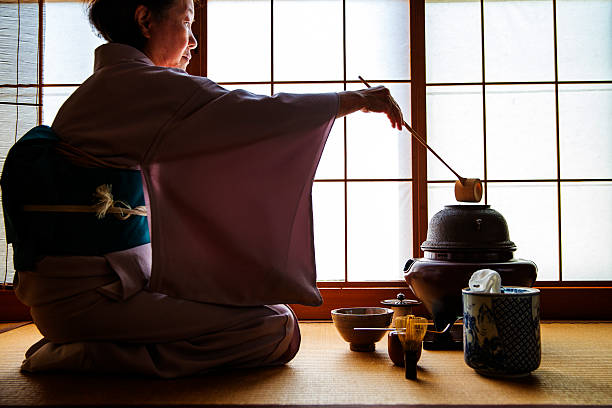

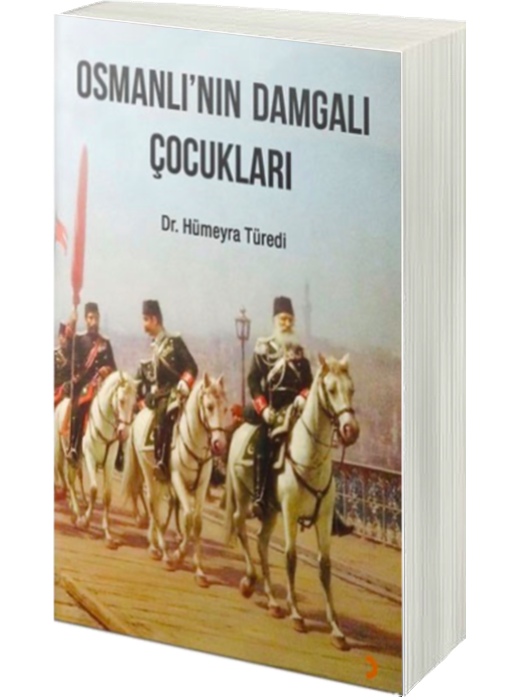

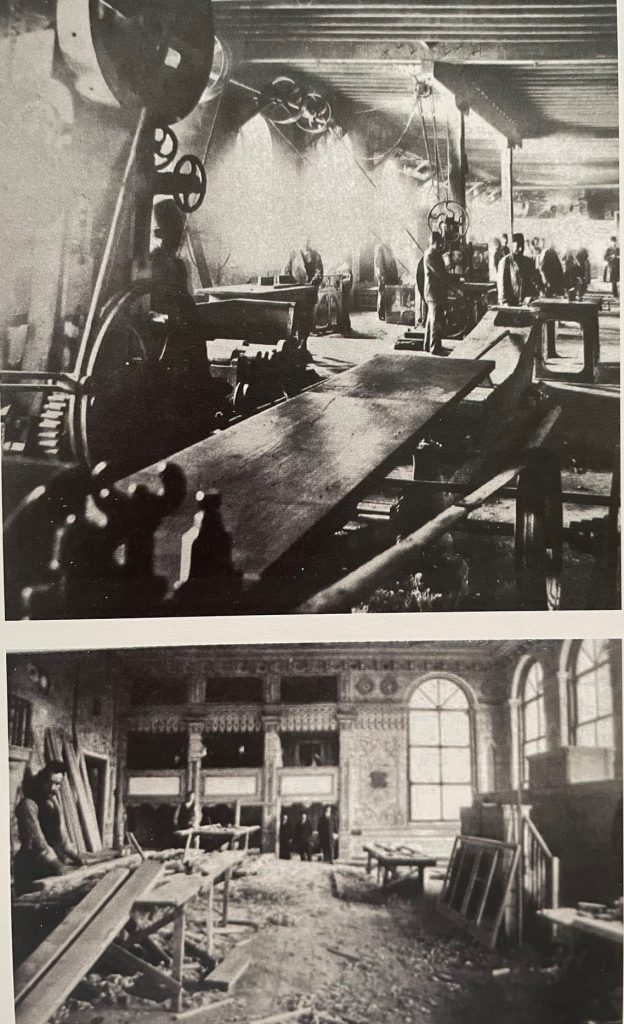
The friendship between the Ottoman Empire and Japan during the reign of Sultan Abdülhamid II was not shaped solely through diplomatic exchanges, but also through shared cultural interests and personal affinities. Among these, the Sultan’s deep enthusiasm for woodworking and fine craftsmanship played a distinctive role. Abdülhamid II was not merely a patron of the arts; he was personally engaged in carpentry and took great interest in high-quality tools and materials. Japan, aware of this inclination, responded by sending finely crafted woodworking tools and objects that reflected both technical mastery and symbolic value. These exchanges transformed diplomacy into a tangible, material dialogue, where craftsmanship became a medium of friendship and mutual respect. The woodworking tools presented to the Sultan thus stand not only as functional objects, but also as enduring witnesses to the cultural and personal bonds that developed between the two empires.