

Categories
Hıstory

Japanese Porcelain: Production, Global Circulation, and Its Reception in the Ottoman Court

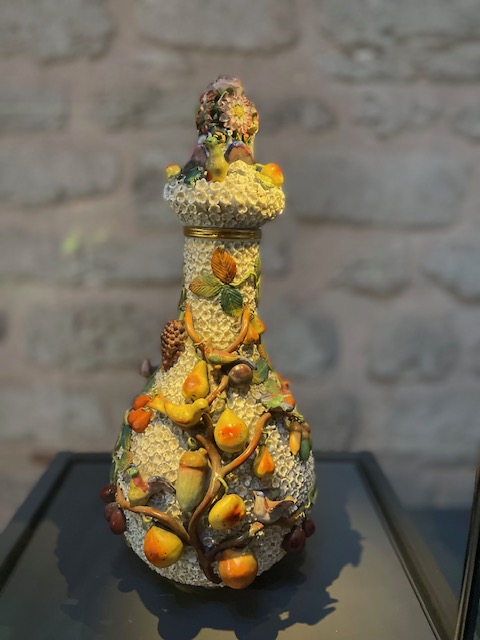
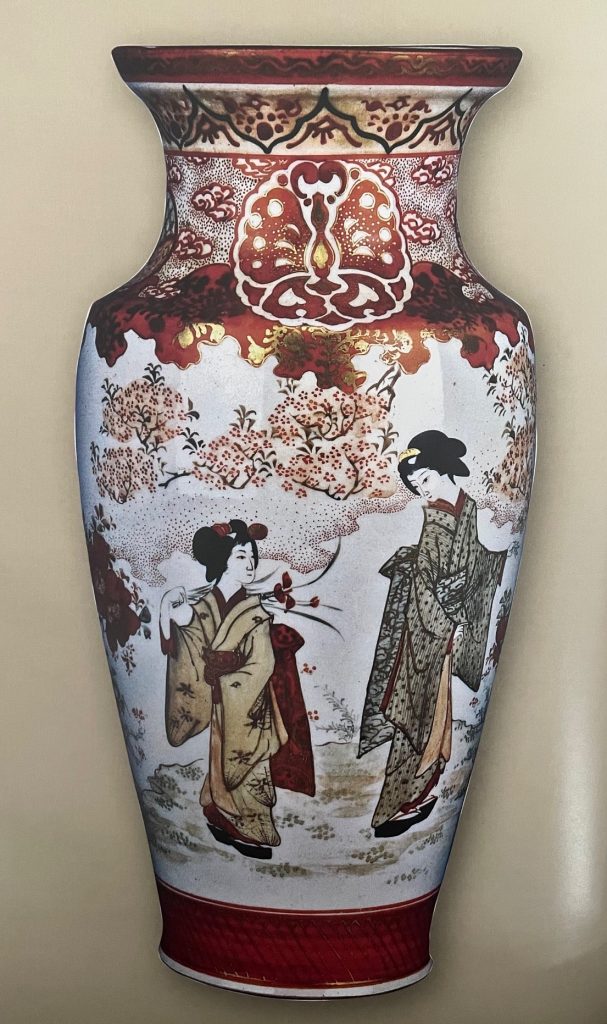
Japan was the fourth country in the world to produce porcelain, following China, Vietnam, and Korea. Distinguished by their unique forms, decorative motifs, and technical innovations, Japanese porcelains not only developed a distinctive artistic identity but also became a major source of inspiration for both Asian and European ceramic traditions. Within the global history of porcelain, Japanese wares constitute the most original group after Chinese porcelain. Their widespread recognition in Europe today reflects centuries of artistic exchange, trade networks, and shifting cultural tastes—processes that also deeply influenced Ottoman court culture.
Categories
Hıstory

Ukiyo-e Woodblock Prints and Their Influence on Western Art

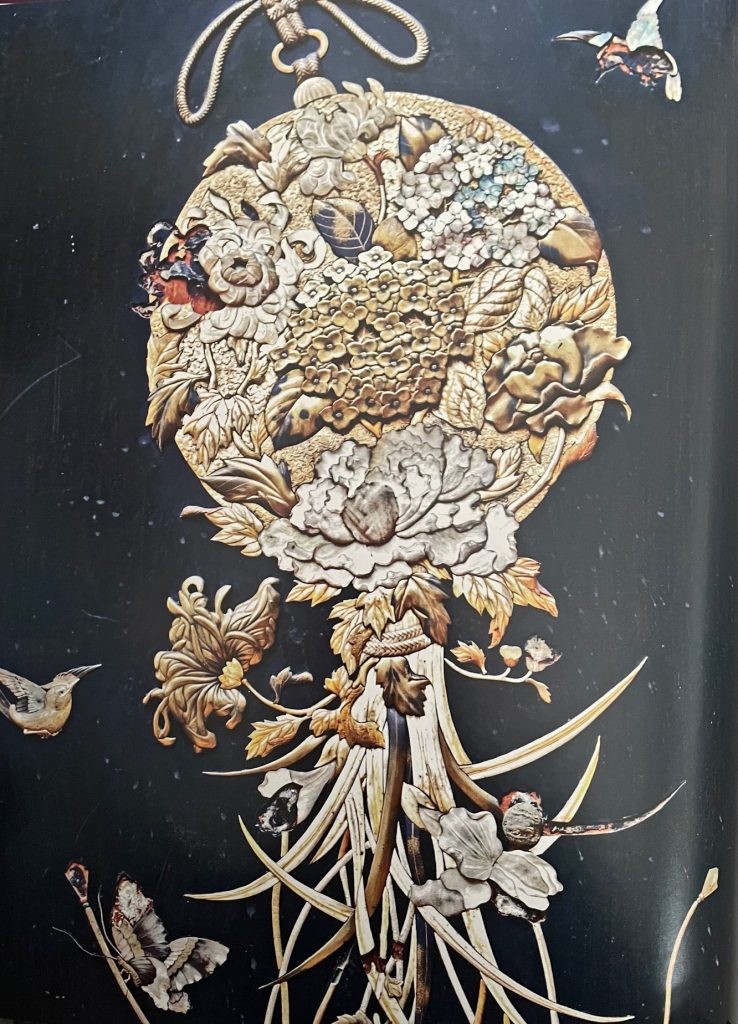
Japanese woodblock prints, particularly those known as ukiyo-e, played a crucial role not only in the visual culture of Japan but also in shaping the artistic transformations of nineteenth-century Europe. Emerging from religious and popular traditions, these prints developed into a sophisticated art form that profoundly influenced Western painters seeking new modes of representation. Through their distinctive perspectives, flattened compositions, and symbolic engagement with nature and everyday life, ukiyo-e prints became one of the most important sources of inspiration for Impressionist and Post-Impressionist artists.


Categories
Hıstory

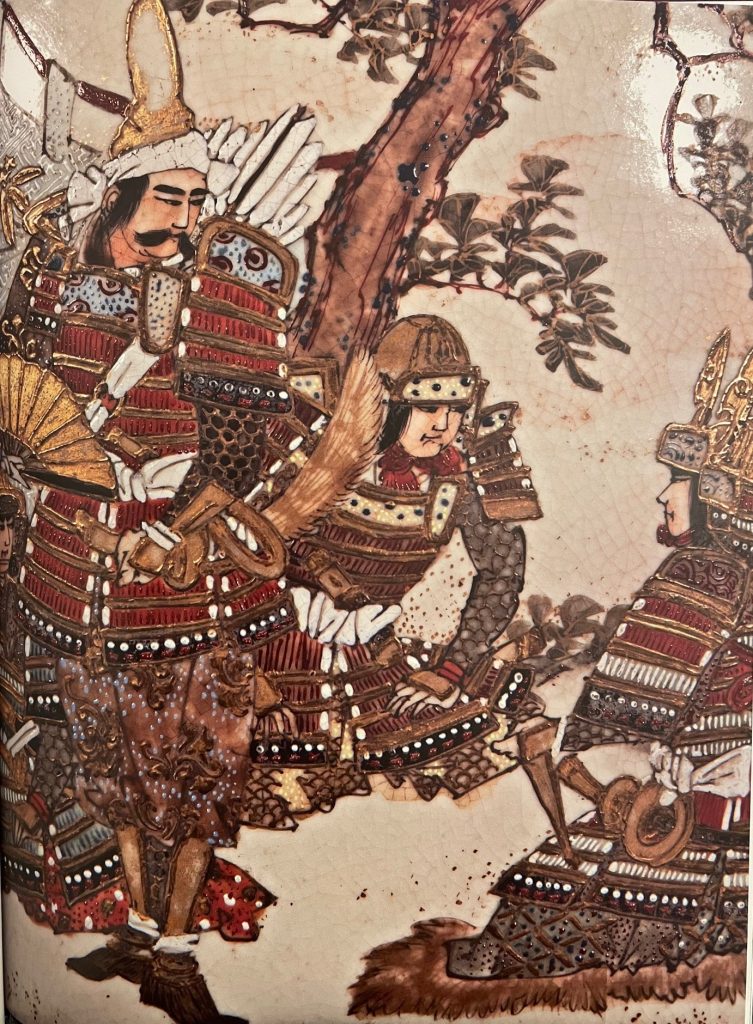
An Aesthetic Language Between Empires: Japonisme and Japanese Art in the Ottoman Palace

The Emergence of Japonisme in Europe

The rise of Japonisme in Europe is directly connected to Japan’s opening to the outside world in the second half of the nineteenth century. With the end of the Tokugawa Shogunate and the Meiji Restoration of 1868, Japan abandoned its centuries-long policy of isolation and began to introduce itself to the Western world through international exhibitions. One of the earliest and most decisive steps in this process was Japan’s first participation in the Great Exhibition of London in 1851. This was followed by the Paris Exposition of 1855 and the London Exhibition of 1862, which enabled Japanese art to be systematically recognized in Europe.


Categories
Hıstory

The Impact of the Conquest of Istanbul on Iconography

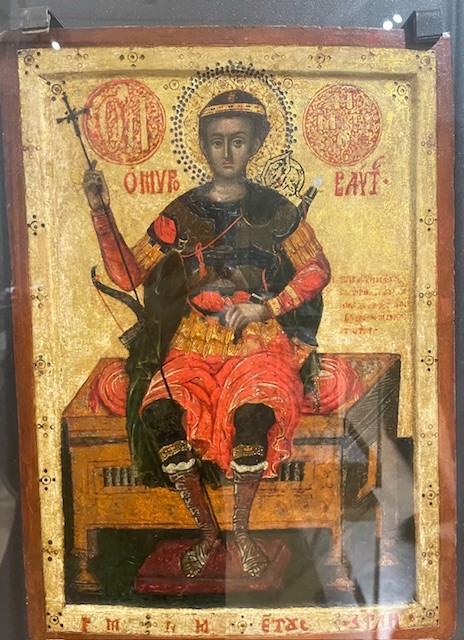
The conquest of Istanbul by the Ottomans in 1453 marked not only the end of an empire, but also a critical turning point for Byzantine art—particularly for the tradition of iconography.
Master icon painters working in the city’s wealthy monasteries, imperial workshops, and churches set sail for new destinations following the establishment of Ottoman rule. Most notably, many settled on islands close to Ottoman territories and in Italy, where they transformed their art into an entirely new synthesis.


Categories
Hıstory

Sarayın Sofrasında İncelik: Osmanlı Mutfağı ve Porselen Hediyeler

Topkapı Sarayı’nın hazine odaları ve mutfak bölümleri, sadece görkemli altın kaplar veya değerli taşlarla süslenmiş eşyalarla değil, dünyanın dört bir yanından gelen zarif porselen koleksiyonlarıyla da göz kamaştırıyor. Bu parçalar, Osmanlı İmparatorluğu’nun diplomasi dilinde hediyenin ne kadar önemli bir yer tuttuğunu ve saray mutfağının estetik boyutunu anlamak için eşsiz birer tanık.

Categories
Hıstory

Bozkırın Psikolojisi

Asya bozkırlarının uçsuz bucaksız ufku, insan ruhunda derin bir yalnızlık ve sınırsızlık duygusu uyandırır; bu geniş platolar binlerce yıldır göçebelerin, savaşçıların ve mistiklerin ortak sahnesi olmuştur. Lev Gumilev gibi Avrasyacı tarihçiler, bozkırın Rus kimliğinin ve Avrasya uygarlıklarının oluşumunda belirleyici bir coğrafya olduğunu vurgular. Gumilev’in Ethnogenesis and the Biosphere adlı eserinde öne sürdüğü “pasiyonerlik” kavramı, bir topluluğun coğrafyanın sağladığı enerjiyle sınırlarını aşma, yeni alanlar fethetme ve kendini dönüştürme kapasitesine işaret eder; bozkır gibi sınırsız bir alan bu pasiyonerliği sürekli besler çünkü her ufuk çizgisi yeni bir yön, yeni bir mücadele ve yeni bir kimlik imkânı demektir.

Categories
Hıstory

Sovyet Kimliğinin Görsel İnşası: İkonografi, Propaganda ve Homo Sovieticus’un Yaratımı

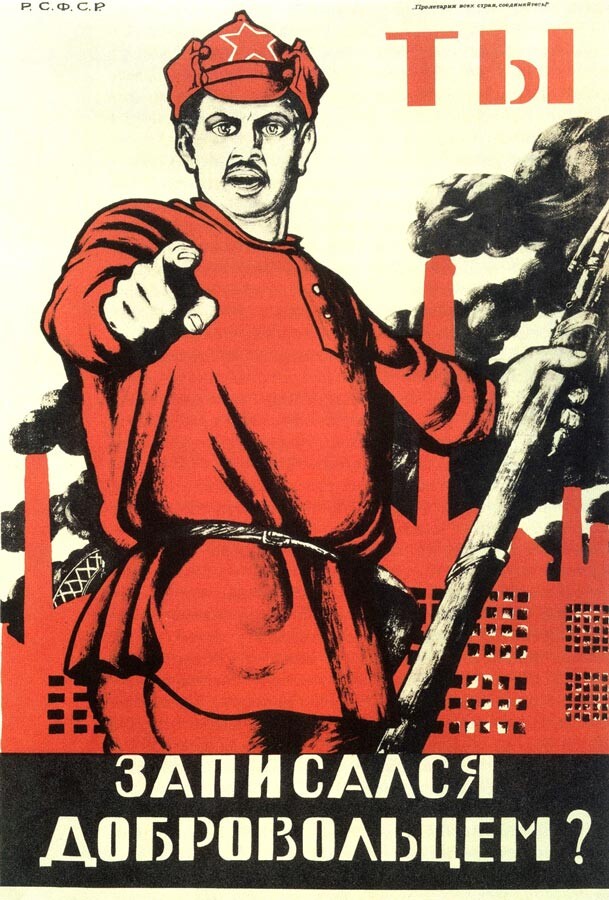
1917 Bolşevik Devrimi ile 1953’te Stalin’in ölümüne kadar geçen süreçte Sovyet liderliği, görsel kültürü ideolojik bir araç olarak kullanarak köklü bir toplumsal dönüşüm hedeflemiştir. Victoria E. Bonnell’in Iconography of Power (California Üniversitesi Yayınları) adlı çalışmasında vurguladığı üzere, bu dönem boyunca üretilen görsel propaganda, yalnızca estetik bir uğraş değil; toplumu yeniden biçimlendirme amacını güden bilinçli bir ideolojik projedir. Her poster, heykel ya da sembol, ideal Sovyet yurttaşı olan homo sovieticus’un yaratım sürecinin bir parçasıdır. Bu makale, Sovyet görsel ikonografisinin politik işlevlerini ve ulusal mitleri nasıl dönüştürdüğünü Bonnell’in kitabı üzerinden inceleyelim.


Categories
Hıstory

“Newgate Calender” Kitabı Üzerine

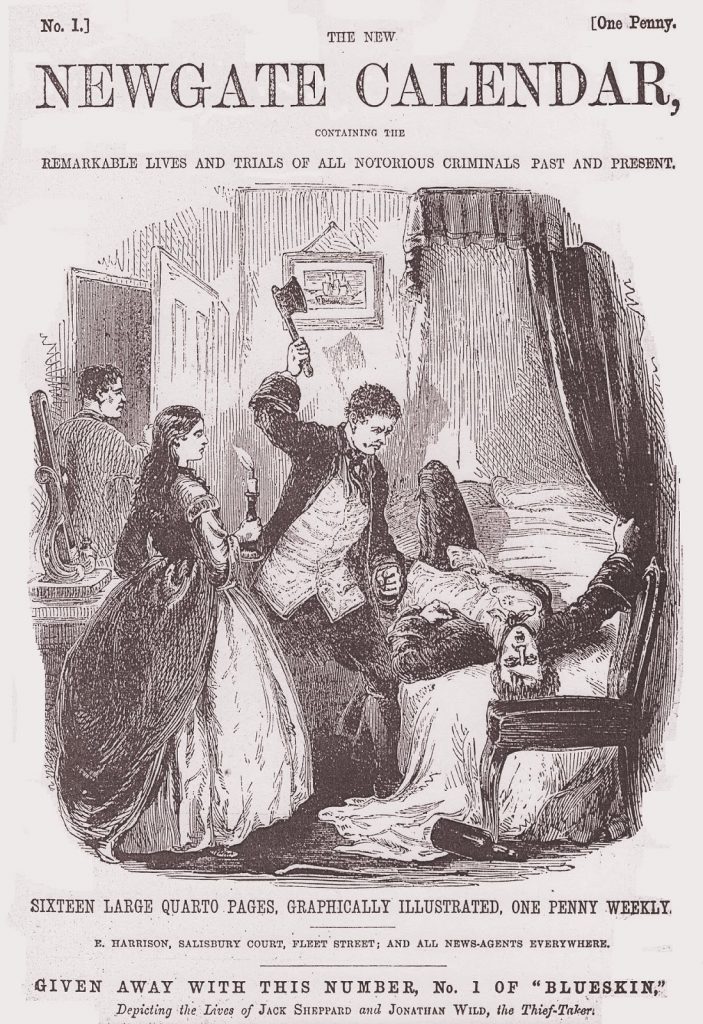
18. yüzyıl İngiltere’sinde ortaya çıkan The Newgate Calendar, yalnızca bir suç kroniği olarak değil, aynı zamanda dönemin ceza anlayışının, ahlaki söyleminin ve popüler kültürünün yansıması olarak dikkat çeker. Bu yazıda, Newgate Calendar’ın tarihsel bağlamını, popüler kültürdeki etkisini ve edebi gelenek üzerindeki yansımalarını inceleyerek, suçun hem caydırıcı hem de cazip bir anlatıya dönüştürülmesine göz atalım.